Introduction
The humble bento box is an iconic symbol of Japanese culture — a beautiful, practical, and nutritious way to carry a meal. For outdoor enthusiasts, campers, and busy professionals alike, mastering the art of packing bento boxes transforms mealtime into an experience of convenience, creativity, and balance. Drawing from authentic Japanese bento traditions and camping expertise from Japan, this guide will walk you through everything you need to know to pack the perfect bento using genuine Japanese tools.
Looking for Three types?
Why This Matters
Bento boxes are more than just lunch containers. They embody a philosophy of thoughtful eating, portion control, and aesthetic presentation. For American campers and outdoor lovers, embracing bento culture means you can enjoy balanced meals on-the-go without relying on processed snacks or complicated cooking setups.
Using the right Japanese bento tools enhances this experience by ensuring freshness, ease of transport, and ease of cleaning — all critical for outdoor environments. Plus, authentic tools, often manufactured in Japan, bring a level of craftsmanship and design that stands up to rugged use and repeated packing.
Main Content
1. Understanding Bento Box Types and Materials
Before packing, it’s important to choose the right bento box. Japanese bento boxes come in various materials and designs:
- Plastic Bento Boxes: Lightweight, often microwave-safe and dishwasher-safe. Quality Japanese plastic bento boxes use BPA-free materials. Brands like Zojirushi offer durable options.
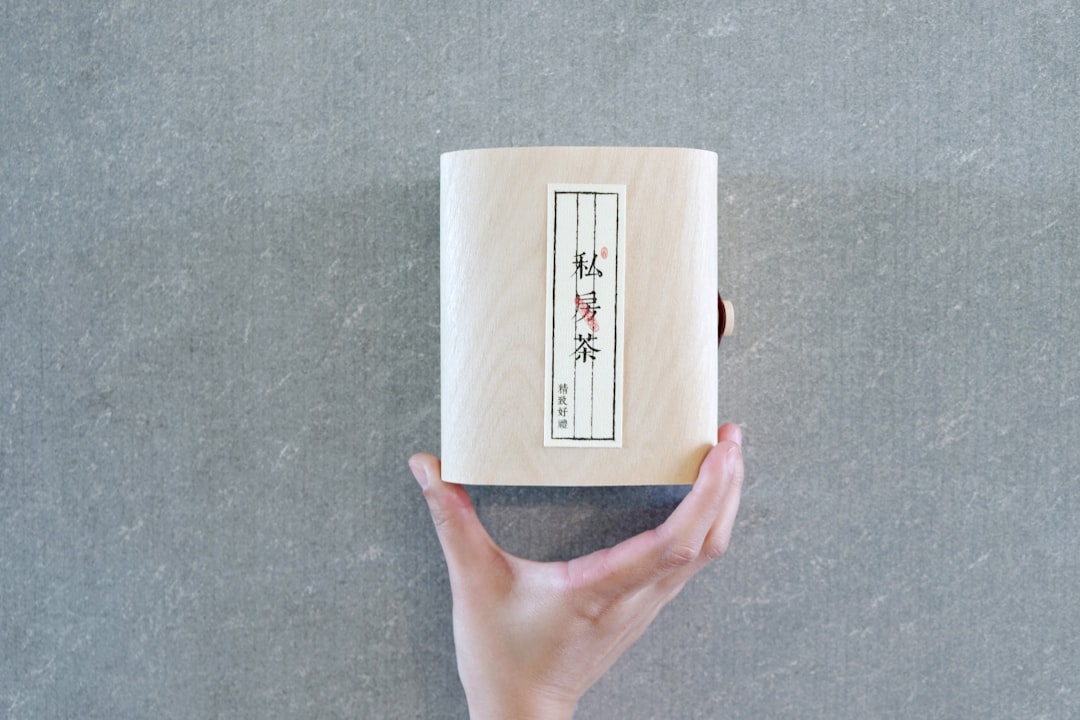
- Wooden Bento Boxes: Traditionally made from Japanese cedar or lacquered wood. These provide excellent breathability but require more care. Ideal for dry, cool camping conditions.
- Stainless Steel Bento Boxes: Durable and easy to clean, stainless steel is great for outdoor use. Brands like Snow Peak (HQ: Niigata, Japan) produce stainless steel lunchware suited for camping.
Expert Tip: For camping, prioritize leak-proof, durable materials with secure lids to prevent spills during transport.
2. Essential Japanese Bento Packing Tools
Authentic Japanese tools can elevate your bento packing process:
- Bento Picks and Dividers: Small silicone or plastic dividers keep foods separate, preserving flavors and textures. Picks add charm and function.
- Rice Molds: Shaping rice into cute forms (triangles, hearts) adds appeal and portion control. Plastic or silicone molds are common.
- Chopsticks and Utensil Sets: Lightweight, reusable chopsticks or sporks designed for portability.
- Lunch Bags and Insulated Containers: Japanese insulated lunch bags keep food fresh longer and often fit bento boxes perfectly.
3. Step-by-Step Bento Packing Guide
Here’s a practical method tested by Japanese campers to pack your bento efficiently and beautifully:
- Plan Your Menu: Balance carbohydrate (rice or noodles), protein (fish, chicken, tofu), vegetables, and a small treat. Use seasonal and locally available ingredients.
- Cook and Prepare Ingredients: Pre-cook proteins and vegetables. Use minimal oil and seasoning to maintain freshness. Japanese camping often uses simple soy sauce, mirin, and miso marinades.
- Use Dividers: Place silicone dividers or lettuce leaves to separate different food types and prevent mixing.
- Shape Rice: Use rice molds or form by hand to create compact shapes that fit snugly in the box.
- Arrange Thoughtfully: Place heavier items at the bottom, lighter or more delicate items on top. Vary colors for visual appeal — a key principle in Japanese bento.
- Seal and Pack: Ensure the lid fits tightly. Use an elastic band or bento strap if your box doesn’t have a locking mechanism.
- Transport with Care: Place the bento box in an insulated bag with an ice pack if necessary, especially for outdoor camping trips.
4. Tips for Longevity and Freshness
- Use vinegar or salt water to rinse vegetables — this helps prevent spoilage.
- Include small ice packs for longer trips to keep fish or meats fresh.
- Choose quick-cooling rice varieties and avoid overcooking to reduce bacterial growth.
- For wooden bento boxes, avoid soaking in water; instead, wipe clean with a damp cloth.
Pro Tips from Japan
Having tested bento packing extensively in Niigata’s outdoors with Japanese campers, here are some expert insights:
- Snow Peak Stainless Steel Bento Boxes: Made in Japan, these boxes are lightweight, durable, and rust-resistant — perfect for backpacking. Their airtight lids prevent leaks efficiently.
- Multi-tiered Bento Boxes: Use tiered boxes to separate courses or snacks from the main meal, reducing cross-contamination and improving meal variety.
- Incorporate Pickled Items: Traditional Japanese pickles (tsukemono) act as natural preservatives and add flavor contrast.
- Balance Nutrients and Colors: The Japanese principle of “Ichiju Sansai” (one soup, three sides) can be adapted for bento to ensure balanced nutrition.
- Practice Minimalism: Avoid overpacking; leave some breathing room in your bento to maintain food shape and avoid crushing.
Recommended Products
- Snow Peak Stainless Steel Bento Box — $45-$60. Made in Japan. Durable and perfect for camping use. [Snow Peak Official Site](https://www.snowpeak.com/)
- Zojirushi Microwavable Bento Box — $25-$40. BPA-free plastic, easy to clean and microwave-safe. Manufactured with Japanese quality standards. [Zojirushi USA](https://www.zojirushi.com/)
- Japanese Silicone Bento Dividers and Picks Set — $10-$15. Adds color and keeps food separated.
- Rice Mold Set — $8-$15. Available on Amazon or specialty Japanese kitchen stores.
- Insulated Bento Lunch Bag — $20-$30. Keeps food fresh and fits most standard bento boxes.
Conclusion
Packing bento boxes with authentic Japanese tools is a rewarding practice that blends nutrition, aesthetics, and practicality — especially for American outdoor enthusiasts. By selecting the right bento box, utilizing proper packing techniques, and embracing Japanese culinary principles, you can enjoy fresh, delicious meals anywhere. Whether hiking the trails of Niigata or your local park, the bento box is a timeless companion.
Looking for Snow Peak Stainless Steel Bento Boxes?
Looking for Three sides?
Looking for Snow Peak Stainless Steel Bento Box?
Looking for Snow Peak Official Site?
Remember, it’s not just about packing food — it’s about crafting an experience that nourishes body and soul. So gather your tools, plan your menu, and start packing your perfect bento!
Frequently Asked Questions
Q: Where can I buy authentic Japanese bento boxes on Amazon?
Authentic Japanese bento boxes are widely available on Amazon, ranging from traditional stainless steel compartmentalized boxes to modern designs with built-in dividers. Search for “Japanese bento box” or “authentic bento box” on Amazon to find options that meet your needs for work, school, or camping.
Q: What are the best Japanese bento tools I need to pack bento boxes?
Essential Japanese bento tools include dividers, food molds, and silicone cups that help organize and compartmentalize your meals while keeping flavors separate. You can find complete Japanese bento tool sets on Amazon that include everything needed to pack traditional bento boxes.
Q: Are Japanese bento boxes good for meal prep and lunch containers?
Yes, Japanese bento boxes are excellent for meal prep as they encourage balanced, portion-controlled meals with compartments for different food groups. They’re durable, often made from stainless steel or BPA-free plastic, and available on Amazon in various sizes suitable for professionals, students, and outdoor activities.