Introduction
In Japan, the bento box is more than just a lunch container—it’s a cultural icon, an art form, and a practical solution to enjoying a balanced meal on the go. For Americans interested in Japanese culture, or anyone looking to elevate their packed lunches, learning how to pack a traditional Japanese bento box is an invaluable skill. This guide offers a comprehensive, step-by-step approach that blends authentic Japanese methods with practical tips inspired by Japan’s outdoor camping culture. Having tested these techniques firsthand in Japan, we can confidently share how to create nutritious, visually appealing, and portable meals perfect for work or school.
Why This Matters
Packing a traditional Japanese bento box isn’t just about aesthetics; it’s about nutrition, convenience, and mindfulness in meal preparation. Bentos promote balanced eating by incorporating a variety of food groups—protein, carbohydrates, vegetables, and sometimes fruit—into a compact, well-organized container. For busy professionals and students alike, this means fewer temptations to rely on processed or fast food. From a Japanese camping perspective, bentos also highlight portability and efficiency, which are essential when spending time outdoors.
Understanding and adopting bento packing principles can transform your lunch routine, making it healthier, more enjoyable, and culturally enriching.
Step-by-Step Guide to Packing a Traditional Japanese Bento Box
1. Choose the Right Bento Box
The first step is selecting a bento box that fits your lifestyle and preferences. Traditional bento boxes are typically made of lacquered wood or plastic, with compartments to separate different foods. For durability and ease of cleaning, many modern bentos use BPA-free plastic or stainless steel.
Expert Tip: From a Japanese camping perspective, brands like Snow Peak offer high-quality bento boxes designed with outdoor use in mind. Snow Peak is a respected Japanese brand headquartered in Niigata, Japan, known for durable products that combine traditional aesthetics with modern functionality. Their bento boxes are lightweight, compact, and perfect for both daily use and outdoor excursions.
2. Plan a Balanced Meal
A traditional Japanese bento balances nutrition and color, typically including the following components:
- Carbohydrates: Usually steamed white rice or onigiri (rice balls).
- Protein: Grilled fish, tamagoyaki (rolled omelet), karaage (fried chicken), or tofu.
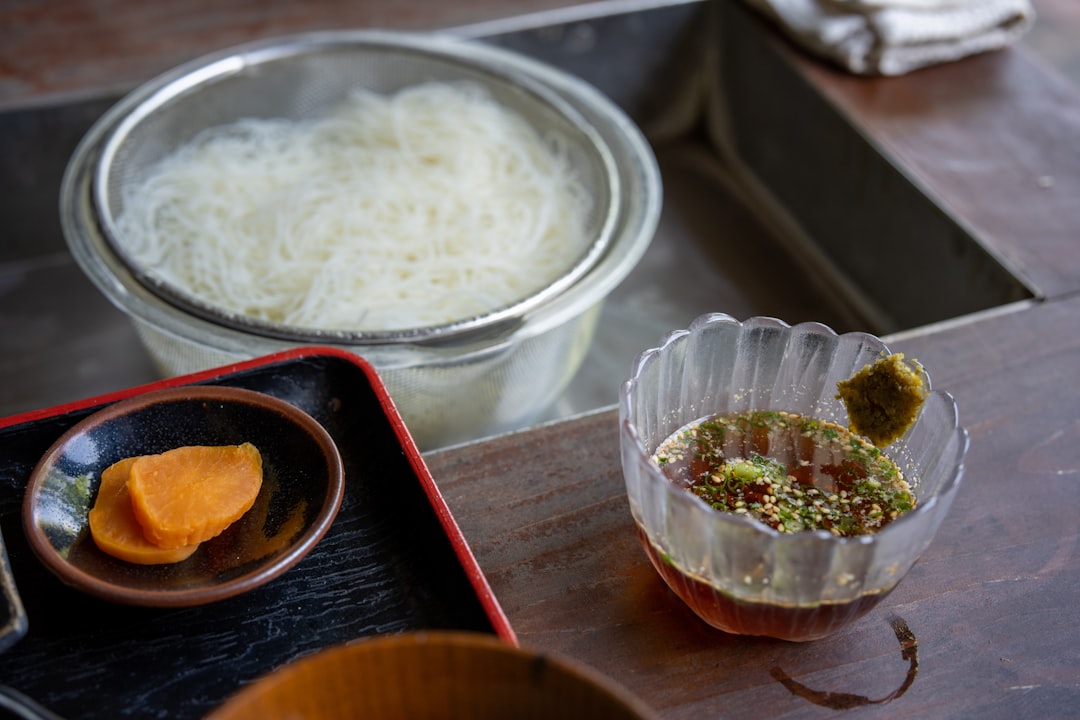
- Vegetables: Pickled vegetables, steamed greens, or salads.
- Fruit or garnish: Seasonal fruit or a small portion of pickled plum (umeboshi).
Planning ahead ensures you have a well-rounded meal that energizes you through the day.
3. Prepare Ingredients
Preparing ingredients the night before or early in the morning can save time. Here are some preparation essentials:
- Rice: Cook rice using a rice cooker or stove. For added flavor, mix in furikake (Japanese rice seasoning).
- Proteins: Cook proteins thoroughly. Tamagoyaki requires a special rectangular pan but can be substituted with a regular pan rolled carefully.
- Vegetables: Steam, sauté, or pickle vegetables. Popular choices include spinach with sesame dressing (goma-ae) and pickled daikon.
Pro Tip: Use silicone cups or bento dividers to keep flavors separate and maintain the box’s neat appearance.
4. Assemble the Bento Box
Assembly is the art of bento making. Follow these steps:
- Start with rice: Fill one compartment with rice or place onigiri. Shape onigiri using molds or by hand. Adding a small umeboshi on top is traditional.
- Add protein: Place your cooked proteins in a separate compartment to avoid moisture mixing.
- Include vegetables: Arrange vegetables in small portions around the protein or in another compartment.
- Finish with garnish or fruit: Add seasonal fruit slices or pickled items for color and flavor contrast.
- Close and secure: Ensure the lid fits tightly. Bento boxes often have elastic bands or snap-lock lids for secure closure.
5. Store and Transport
To keep your bento fresh until lunchtime, use an insulated lunch bag. For outdoor or camping use, consider a compact cooler or insulated container from trusted Japanese brands.
Camping Insight: While Snow Peak excels in camping gear, their insulated lunch containers are perfect for keeping your bento fresh on hikes or outdoor adventures. Their products combine Japanese craftsmanship with practicality, reflecting the same attention to detail found in traditional bento packing.
Looking for Snow Peak excels?
Pro Tips from Japan’s Outdoor and Bento Experts
- Use seasonal ingredients: This not only enhances flavor but also connects you to Japan’s cultural appreciation for seasonal eating.
- Maintain balance and variety: Visual appeal matters. Use colorful ingredients and arrange food thoughtfully to make your meal more enjoyable.
- Prioritize portability: Bento boxes designed for camping emphasize leak-proof compartments and durable materials—look for these features when choosing your box.
- Prepare in advance: Japanese campers often prepare bentos the night before to save time and avoid morning chaos.
- Invest in quality utensils: Lightweight reusable chopsticks or flatware, like those from Japanese outdoor brands, complement your bento and reduce waste.
Recommended Products
- Snow Peak Bento Box: Approx. $40-$60. Durable, lightweight, and designed with camping in mind. Made in Japan with high-quality materials.
- Japanese Silicone Bento Cups: Around $10 for a set. Keep foods separated and maintain moisture control.
- Insulated Lunch Bag: Brands like Thermos or insulated bags from Japanese camping brands provide excellent temperature control.
- Reusable Chopsticks Set: About $15-$25. Portable and eco-friendly, great for both office and outdoor use.
- Rice Mold Set: Around $10-$15. Easily shape onigiri for an authentic touch.
Conclusion
Packing a traditional Japanese bento box for work or school is a rewarding practice that combines nutrition, culture, and convenience. By following this step-by-step guide, you can cultivate a mindful lunch routine inspired by Japanese tradition and outdoor practicality. Whether you’re enjoying your bento at your desk or on a hiking trail, the principles of balance, portability, and presentation will enrich your meal experience.
Looking for Snow Peak Bento Box?
Embrace the art of bento packing and discover a new way to enjoy your meals every day.
Frequently Asked Questions
Q: Where can I buy a traditional Japanese bento box on Amazon?
You can find authentic Japanese bento boxes on Amazon by searching for terms like ‘Japanese bento box’ or ‘traditional bento container’—popular options include stainless steel and wooden varieties from brands like Takenaka and Hakoya that range from $20-$60.
Q: What size bento box should I buy for work lunch?
For a work lunch, a 1000ml to 1200ml bento box is ideal as it provides enough compartments for a balanced meal with rice, protein, and vegetables without being too bulky to carry.
Q: Are Japanese bento boxes microwave and dishwasher safe?
Most traditional wooden and lacquered bento boxes are not dishwasher or microwave safe, but many modern Amazon listings feature stainless steel or plastic bento boxes that are both dishwasher and microwave compatible.