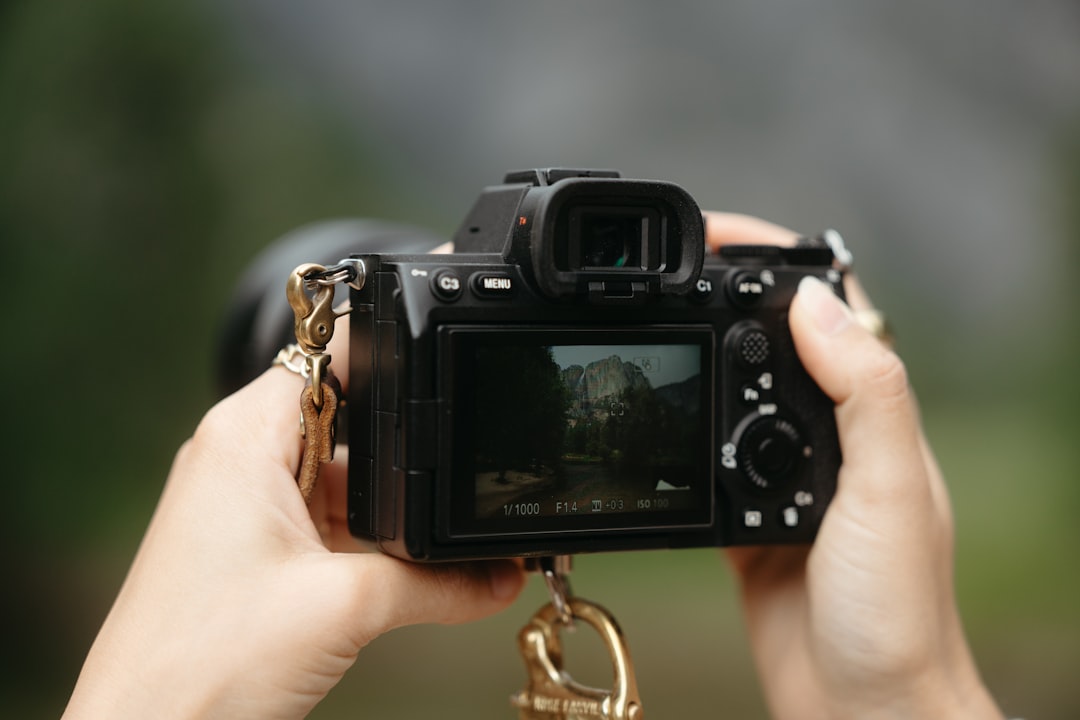
Panasonic vs. Sony Mirrorless Cameras: Which One Should American Beginners Buy in 2024?
For American outdoor enthusiasts and aspiring photographers, choosing the right mirrorless camera can make all the difference in capturing stunning landscapes, action shots, and memorable moments. Panasonic and Sony, two Japanese giants headquartered in Osaka and Tokyo respectively, have been leading the mirrorless camera market with innovative technology and robust ecosystems. But for beginners in 2024, which brand offers the best balance of ease-of-use, image quality, and value? This detailed comparison dives deep into Panasonic vs. Sony mirrorless cameras, focusing on models ideal for first-time buyers.
Looking for Sony Mirrorless Cameras?
Quick Comparison Table: Panasonic vs. Sony Mirrorless Cameras for Beginners (2024)
| Model | Sensor | Megapixels | Lens Mount | Video | Price (USD) | Best For |
|---|---|---|---|---|---|---|
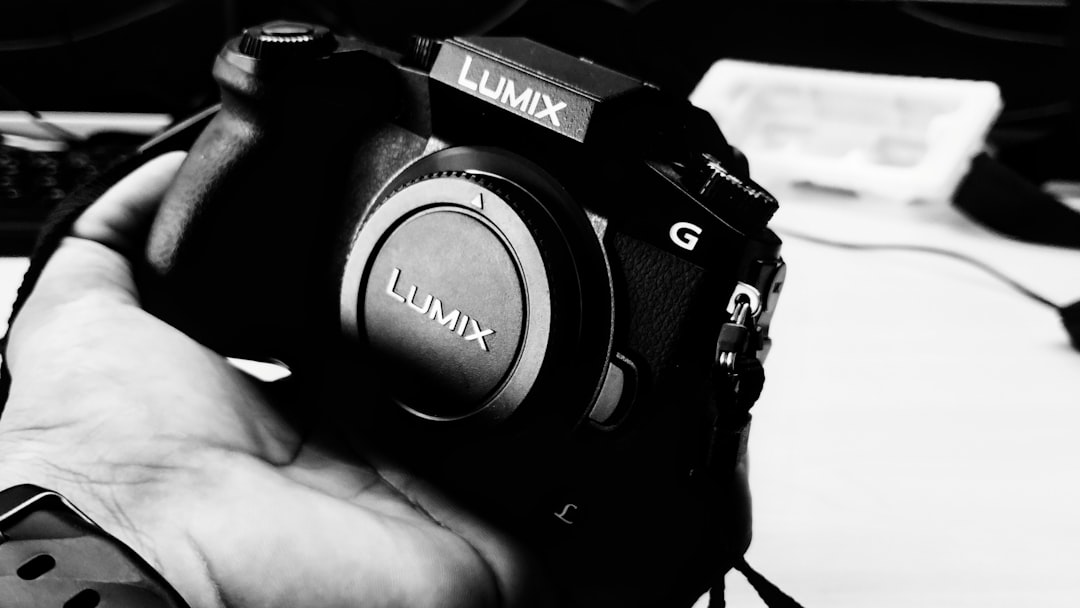
| Panasonic Lumix GX85 | Micro Four Thirds | 16 MP | Micro Four Thirds | 4K UHD 30fps | ~$499 (body only) | Compact travel & budget-friendly |
| Panasonic Lumix GH5 II | Micro Four Thirds | 20.3 MP | Micro Four Thirds | 4K up to 60fps | ~$1,700 (body only) | Advanced video & hybrid use |
| Sony Alpha a6100 | APS-C | 24.2 MP | Sony E-mount | 4K UHD 30fps | ~$750 (with 16-50mm lens) | Entry-level hybrid photography |
| Sony Alpha a6400 | APS-C | 24.2 MP | Sony E-mount | 4K UHD 30fps | ~$900 (with 16-50mm lens) | Improved autofocus & video |
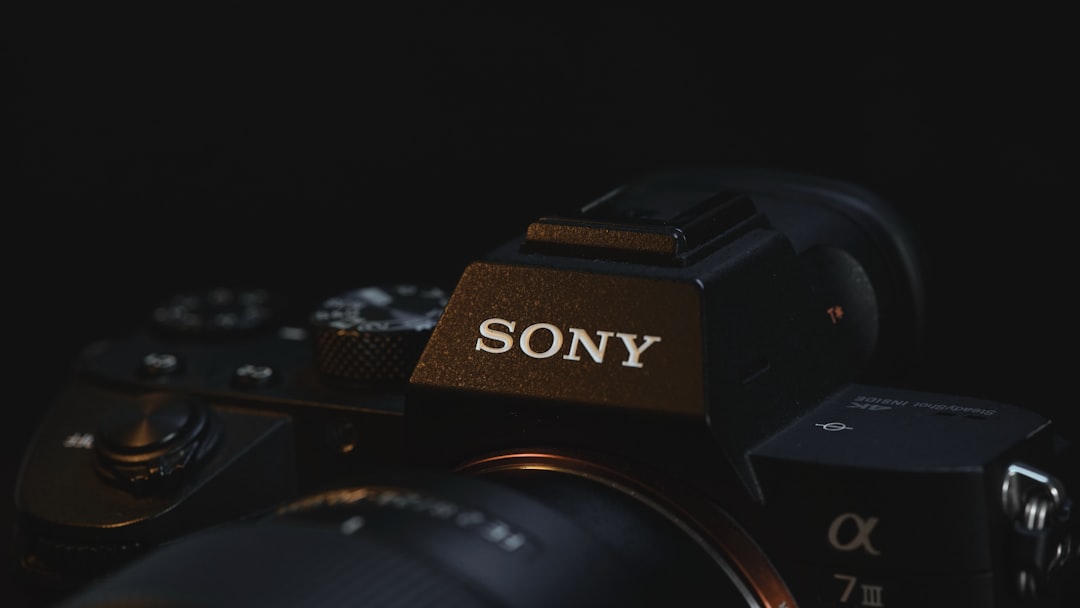
| Sony Alpha a7C | Full-frame | 24.2 MP | Sony E-mount | 4K UHD 30fps | ~$1,800 (body only) | Compact full-frame for prosumers |
Detailed Reviews of Each Product
1. Panasonic Lumix GX85
Overview: The Panasonic Lumix GX85 is a highly popular Micro Four Thirds mirrorless camera suited for beginners and casual shooters. It offers solid image stabilization, 4K video recording, and a compact body ideal for outdoor adventures.
Looking for Sony Alpha a7C?
- Pros: Lightweight and compact; 5-axis in-body image stabilization; 4K video capture; affordable price point around $499; intuitive touchscreen interface.
- Cons: Smaller Micro Four Thirds sensor limits low-light performance compared to APS-C or full-frame; no headphone jack for audio monitoring; autofocus struggles in challenging lighting.
Best for: Outdoor enthusiasts who want a budget-friendly, travel-ready camera that’s easy to carry on hikes or camping trips.
2. Panasonic Lumix GH5 II
Overview: The GH5 II is Panasonic’s flagship Micro Four Thirds mirrorless camera designed for hybrid shooters who want advanced video features alongside excellent still photography capabilities.
- Pros: 4K video at 60fps with no crop; improved autofocus system; fully articulating touchscreen; rugged weather-sealed body; excellent video recording options and external mic/headphone jacks.
- Cons: Higher price (~$1,700 body only); Micro Four Thirds sensor still smaller than APS-C and full-frame competitors; autofocus can be slower than Sony’s phase detection in stills mode.
Best for: Beginners with a serious interest in video content creation, vloggers, and hybrid shooters looking for professional features in a lightweight package.
3. Sony Alpha a6100
Overview: Sony’s a6100 is an entry-level APS-C mirrorless camera that balances performance and affordability. It offers excellent autofocus and image quality in a compact body.
- Pros: Fast and reliable Real-time Eye AF and tracking; 24.2 MP APS-C sensor delivers great image quality and low-light performance; 4K video recording; compact and lightweight; competitive pricing around $750 with kit lens.
- Cons: No in-body image stabilization (relies on stabilized lenses); limited touchscreen functionality; lacks headphone jack for video monitoring.
Best for: Beginners seeking a versatile camera with excellent autofocus for outdoor action shots and wildlife photography.
4. Sony Alpha a6400
Overview: The a6400 builds on the a6100 with enhanced autofocus, better build quality, and improved video features, targeting serious beginners and enthusiasts.
- Pros: Real-time Eye AF for humans and animals; tilting screen; 4K video with no recording time limits; weather-resistant body; price around $900 with lens.
- Cons: No in-body image stabilization; no headphone jack; slightly higher cost might deter absolute beginners.
Best for: Beginners who prioritize fast autofocus and want to grow into more advanced photography and videography.
5. Sony Alpha a7C
Overview: The a7C is Sony’s compact full-frame mirrorless camera, delivering professional-grade image quality in a surprisingly small form factor. It is a step up for beginners ready to invest in high-end gear.
- Pros: Full-frame 24.2 MP sensor for superior image quality and low-light performance; compact and lightweight; excellent autofocus system; 4K video recording; built-in image stabilization.
- Cons: Higher price (~$1,800 body only); full-frame lenses tend to be more expensive and bulkier; learning curve for beginners.
Best for: Ambitious beginners or prosumers wanting a compact full-frame system for serious outdoor photography and videography.
Head-to-Head Comparisons
Sensor & Image Quality
Sony cameras in this comparison utilize APS-C and full-frame sensors, which are larger than Panasonic’s Micro Four Thirds sensors. Larger sensors generally offer better image quality, dynamic range, and low-light performance. The Sony a7C’s full-frame sensor is the clear leader in this category, followed by Sony’s APS-C models (a6100 and a6400). Panasonic’s GX85 and GH5 II, while offering excellent image stabilization and video features, lag slightly behind in pure image quality due to their smaller sensors.
Looking for Panasonic Lumix GH5 II?
Autofocus Performance
Sony’s Real-time Eye AF and subject tracking are widely regarded as industry-leading, making the a6100 and a6400 excellent choices for beginners shooting fast-moving subjects in nature or outdoor sports. Panasonic’s autofocus systems have improved but generally are not as responsive or accurate as Sony’s, especially in still photography.
Video Capabilities
Panasonic’s GH5 II leads in video features, offering 4K at 60fps without cropping, microphone and headphone jacks, and advanced video codecs. Sony cameras support 4K video but have shorter recording limits and lack headphone jacks on the a6100 and a6400, which may limit serious videographers. The a7C offers strong hybrid video performance but at a higher price point.
Portability & Ergonomics
Panasonic’s GX85 is extremely compact and lightweight, perfect for travel and outdoor use. Sony’s a6100 and a6400 are also compact but slightly larger. The a7C is remarkably small for a full-frame camera but heavier than Micro Four Thirds models. Panasonic’s GH5 II is more robust and larger due to its video-centric design.
Price Comparison
- Panasonic Lumix GX85: ~$499 (body only)
- Panasonic Lumix GH5 II: ~$1,700 (body only)
- Sony Alpha a6100: ~$750 (with kit lens)
- Sony Alpha a6400: ~$900 (with kit lens)
- Sony Alpha a7C: ~$1,800 (body only)
For beginners on a budget, the Panasonic GX85 and Sony a6100 are the most accessible. Those with more to invest can consider the GH5 II for video or the a7C for full-frame stills and video.
Looking for Sony a6100?
Our Recommendations
- Best Budget Option: Panasonic Lumix GX85 – Compact, affordable, and capable for casual outdoor photography and 4K video.
- Best for Photography Beginners: Sony Alpha a6100 – Excellent autofocus, image quality, and user-friendly features at a reasonable price.
- Best for Hybrid Video & Photo: Panasonic Lumix GH5 II – Advanced video tools for beginners serious about content creation.
- Best for Growth & Advanced Use: Sony Alpha a6400 – Speedy autofocus and solid video features for expanding skills.
- Best Full-Frame Compact: Sony Alpha a7C – For beginners ready to invest in professional-grade full-frame gear.
Each camera has affiliate links where you can check the latest prices and availability. Supporting through these links helps us keep providing expert gear reviews.
Frequently Asked Questions (FAQ)
Q: Are Panasonic and Sony cameras made in Japan?
Both Panasonic and Sony are Japanese companies headquartered in Japan. However, manufacturing locations vary. Many Sony cameras are manufactured in Thailand, China, or Japan depending on the model. Panasonic cameras are often assembled in Japan or other Asian countries. Always check the product details if the place of manufacture is important to you.
Looking for Panasonic cameras?
Q: Which system has more beginner-friendly lenses?
Sony’s E-mount ecosystem offers a wide range of lenses from Sony and third-party manufacturers such as Sigma and Tamron, including many affordable options. Panasonic uses Micro Four Thirds lenses, which tend to be smaller and more affordable but have fewer full-frame options since the sensor is smaller.
Q: Is in-body image stabilization important for outdoor photography?
Yes, especially for handheld shooting in low light or with telephoto lenses. Panasonic generally includes 5-axis in-body image stabilization (IBIS) in its cameras like the GX85 and GH5 II. Sony includes IBIS in full-frame models like the a7C but not in entry-level APS-C models like the a6100 or a6400.
Q: Can beginners use these cameras for video vlogging?
Absolutely. Panasonic GH5 II is particularly suited for video with advanced features and ports. Sony a6400 also offers excellent video quality but lacks a headphone jack, which may be a limitation. The GX85 and a6100 provide solid 4K video but with fewer pro features.
Q: What is the best camera for wildlife photography as a beginner?
The Sony a6100 is a great choice due to its fast autofocus and larger APS-C sensor, which offers better low-light performance and reach with telephoto lenses.
Conclusion
Choosing between Panasonic and Sony mirrorless cameras in 2024 depends largely on your priorities: portability, video capabilities, autofocus speed, or sensor size. For American beginners passionate about outdoor photography and videography, Sony’s APS-C cameras like the a6100 offer a balanced entry point with excellent autofocus and image quality. Panasonic’s Micro Four Thirds GX85 is a superb budget-friendly option for travel and casual shooting, while the GH5 II caters to those focused on video. If you’re ready to invest in full-frame quality, Sony’s a7C delivers professional-grade performance in a compact package.
Use the affiliate links above to explore deals and start your photographic journey with confidence!
Frequently Asked Questions
Q: Are Panasonic or Sony mirrorless cameras better for beginners?
Sony mirrorless cameras generally offer better autofocus performance and a larger lens ecosystem, making them slightly more beginner-friendly, while Panasonic cameras provide excellent video capabilities and competitive pricing for entry-level photographers.
Q: Where can I buy Panasonic and Sony mirrorless cameras in the US?
Both Panasonic and Sony mirrorless cameras are widely available on Amazon and major US retailers, with competitive pricing and fast shipping options for American buyers.
Q: Which Japanese camera brand has better customer support for US buyers?
Sony typically offers more extensive customer support infrastructure and warranty coverage in the United States, along with better availability of repair services through authorized dealers.