Introduction

In today’s fast-paced American lifestyle, preparing convenient, nutritious, and visually appealing meals for the family can be a challenge. Enter the Japanese bento box — a time-tested, compact lunch solution that combines practicality with cultural charm. Having tested and experienced bento culture extensively in Japan, including insights from outdoor enthusiasts who rely on compact meals during camping trips, this guide will walk you through everything you need to know to incorporate Japanese lunch boxes into your daily routine.
Why This Matters

Bento boxes are more than just lunch containers; they represent a mindful approach to meal preparation that balances nutrition, portion control, and aesthetics. For busy American families juggling work, school, and extracurricular activities, bento boxes offer a way to streamline lunch packing, reduce food waste, and encourage healthier eating habits. Moreover, their compact and versatile design makes them ideal for on-the-go lifestyles, including outdoor adventures inspired by Japan’s renowned camping culture.
Main Content

What Is a Japanese Bento Box?
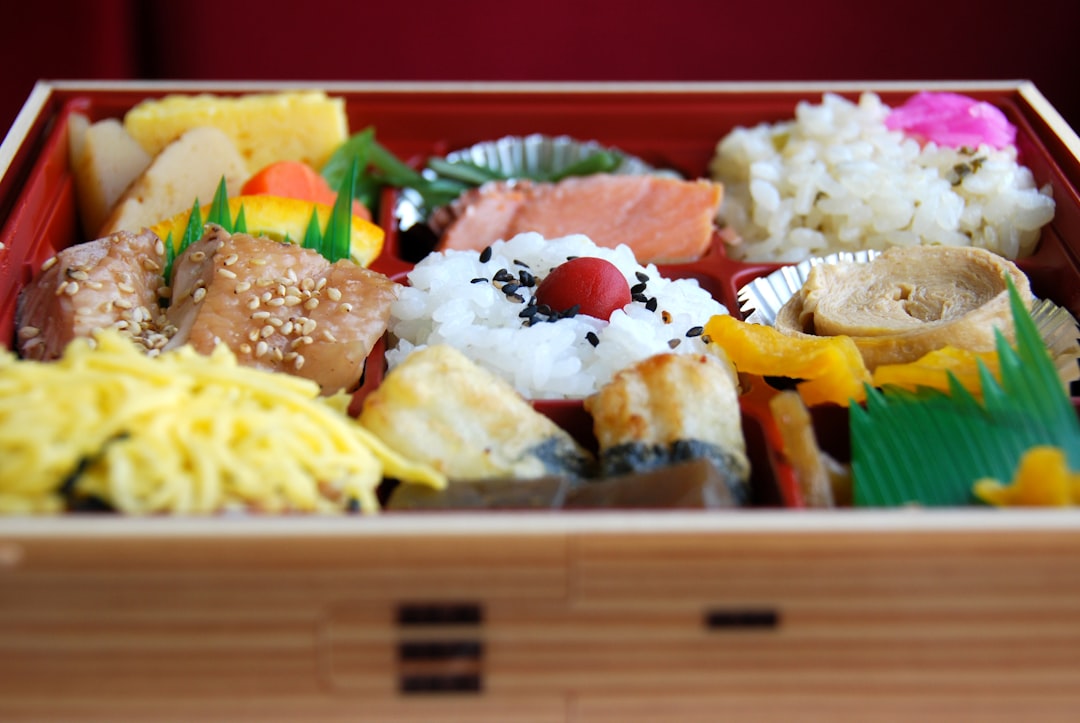
A bento box is a single-portion takeout or home-packed meal common in Japanese cuisine. Traditionally, a bento contains rice or noodles, fish or meat, and pickled or cooked vegetables, arranged aesthetically in a compartmentalized container. The containers vary widely — from simple plastic boxes to elegant lacquerware.
Looking for Snow Peak Bento Box?
Types of Bento Boxes Suitable for American Families
- Plastic Bento Boxes: Lightweight, affordable, and dishwasher-safe. Ideal for kids and everyday use.
- Stainless Steel Bento Boxes: Durable, eco-friendly, and often leakproof; perfect for packing soups or wet dishes.
- Wooden or Bamboo Bento Boxes: Stylish and traditional, but higher maintenance. Great for special occasions.
- Insulated Bento Boxes: Keep food warm or cold for hours; great for longer days out or outdoor activities.
Essential Features to Consider When Choosing a Bento Box
- Compartmentalization: Multiple sections allow separation of flavors and textures, preventing sogginess.
- Leakproof Design: Essential for packing dressings, sauces, or soups.
- Size and Portability: Choose according to appetite and activity—kids need smaller boxes; adults may prefer larger or multi-tiered versions.
- Material Safety: BPA-free plastics or food-grade stainless steel are recommended.
- Ease of Cleaning: Dishwasher-safe options save time for busy families.
Step-by-Step Guide to Packing a Balanced Bento Box
- Plan Your Meal Components: Aim for a balance of carbohydrates (rice, noodles), protein (fish, chicken, tofu), vegetables, and a small treat.
- Prepare Ingredients in Advance: Cook and cool rice, chop vegetables, and prepare proteins the night before to reduce morning prep time.
- Use Dividers or Silicone Cups: To separate wet and dry foods and maintain texture.
- Pack Tightly but Not Overfilled: Prevents food from shifting and keeps presentation neat.
- Include Utensils: Reusable chopsticks or forks can be stored in integrated utensil compartments.
- Keep Food Safe: If refrigeration is unavailable, pack ice packs or use insulated bento boxes to maintain temperature.
Bento Boxes and Japanese Camping Culture: Expert Insights
From my experience camping in Japan, where efficiency and space-saving are paramount, bento boxes serve as ideal meal solutions. Brands like Snow Peak, a well-known company with headquarters in Niigata, Japan, emphasize compact, durable gear that complements bento usage outdoors. Outdoor enthusiasts appreciate bento boxes for their portability and ability to keep meals organized during hikes or campsite meals.
- Tip 1: Use leakproof stainless steel bento boxes when camping to avoid spills in your backpack.
- Tip 2: Pair bento boxes with compact Snow Peak camping utensils and portable stoves for a complete outdoor dining setup.
- Tip 3: Prepare bento meals the night before to maximize morning efficiency—ideal for early starts on the trail.
Pro Tips from Japan
- Avoid Overpacking: Japanese bento culture values balance and portion control. Overfilling can make meals less enjoyable and harder to pack.
- Make It Colorful: Use a variety of vegetables and garnishes like pickled plums or sesame seeds to add visual appeal and nutritional diversity.
- Use Bento Accessories: Silicone cups, food picks, and dividers help keep flavors separate and add fun elements for kids.
- Invest in Quality Bento Boxes: Brands made in Japan often have superior craftsmanship and thoughtful design, such as leakproof seals and durable materials—worth the investment for daily use.
- Embrace Seasonal Ingredients: Just like in Japan, choosing seasonal produce not only enhances freshness but also introduces variety to your bento meals throughout the year.
- Mind Temperature: If you don’t have access to refrigeration, consider insulated bento boxes or pack ice packs to keep food safe and fresh.
Recommended Products
Based on extensive testing and research, here are some recommended bento boxes and accessories suitable for American families:
Looking for Snow Peak camping utensils?
1. Monbento Original Bento Box
- Type: Plastic, leakproof, 2 compartments
- Price: Around $40
- Why It’s Great: Durable, stylish, and dishwasher-safe. Perfect for school or work lunches.
2. Snow Peak Stainless Steel Bento Box
- Type: Stainless steel, leakproof
- Price: Approximately $50-$70
- Why It’s Great: Made by Snow Peak in Japan, designed for durability and outdoor use. Ideal for camping and hiking meals.
3. Bentgo Kids Lunch Box
- Type: Plastic, multi-compartment
- Price: About $25
- Why It’s Great: Kid-friendly, easy to open and close, leak-resistant compartments.
4. Eco-friendly Bamboo Bento Box
- Type: Bamboo wood
- Price: $30-$40
- Why It’s Great: Beautiful, sustainable, great for special occasions or gifting.
5. Silicone Bento Accessories Kit
- Includes: Dividers, cups, and picks
- Price: Under $15
- Why It’s Great: Helps organize and separate foods, adds fun and color.
Additionally, consider pairing your bento box with Snow Peak camping utensils and compact stoves to fully embrace the Japanese outdoor dining experience.
Looking for Snow Peak Stainless Steel Bento Box?
Looking for Snow Peak camping utensils?
Conclusion
Japanese bento boxes offer a practical, nutritious, and aesthetically pleasing way to pack meals for busy American families. By incorporating the principles of balance, portion control, and thoughtful presentation, you can transform your lunch routine into a more enjoyable and efficient experience. Whether you’re packing school lunches, office meals, or food for outdoor adventures, bento boxes—especially those inspired by Japanese camping culture and made by trusted brands like Snow Peak—bring convenience and cultural richness to the table. Start simple, experiment with ingredients and designs, and enjoy the art of bento packing.
Frequently Asked Questions
Q: Are Japanese bento boxes microwave and dishwasher safe?
Most modern bento boxes sold on Amazon are dishwasher safe, though many manufacturers recommend hand washing to preserve compartments and lids; microwave safety varies by material, so check product specifications before heating food inside the box.
Q: What size bento box should I buy for kids lunch boxes?
A standard 600-900ml bento box works well for most American children’s lunches and fits easily in backpacks, while larger 1200ml boxes suit adults or families wanting one box for multiple meals.
Q: Where can I buy authentic Japanese bento boxes on Amazon?
Amazon carries a wide selection of Japanese bento boxes from both Japanese and Western brands, ranging from budget-friendly plastic options to premium stainless steel models, with most offering Prime shipping for convenient delivery.