Introduction
For American outdoor enthusiasts and home cooks alike, maintaining the sharpness of your Japanese knives is essential for an efficient and enjoyable cutting experience. Iconic brands like Shun and Yoshihiro represent the pinnacle of Japanese craftsmanship, prized both for their razor-sharp edges and their beautiful design. However, even the most premium blade needs regular honing and sharpening.
Looking for Three whetstones?
Choosing the right whetstone for your Shun or Yoshihiro knives can be confusing, especially with the variety of grits, materials, and brands available. This guide will walk you through everything you need to know to pick the perfect whetstone for your knives, with actionable steps and expert insights inspired by Japanese outdoor and camping traditions. After all, in Japan, sharp knives are not just kitchen tools—they’re essential companions on hiking and camping trips where fresh ingredients and food preparation are crucial.
Looking for Sharp knives?
Why This Matters
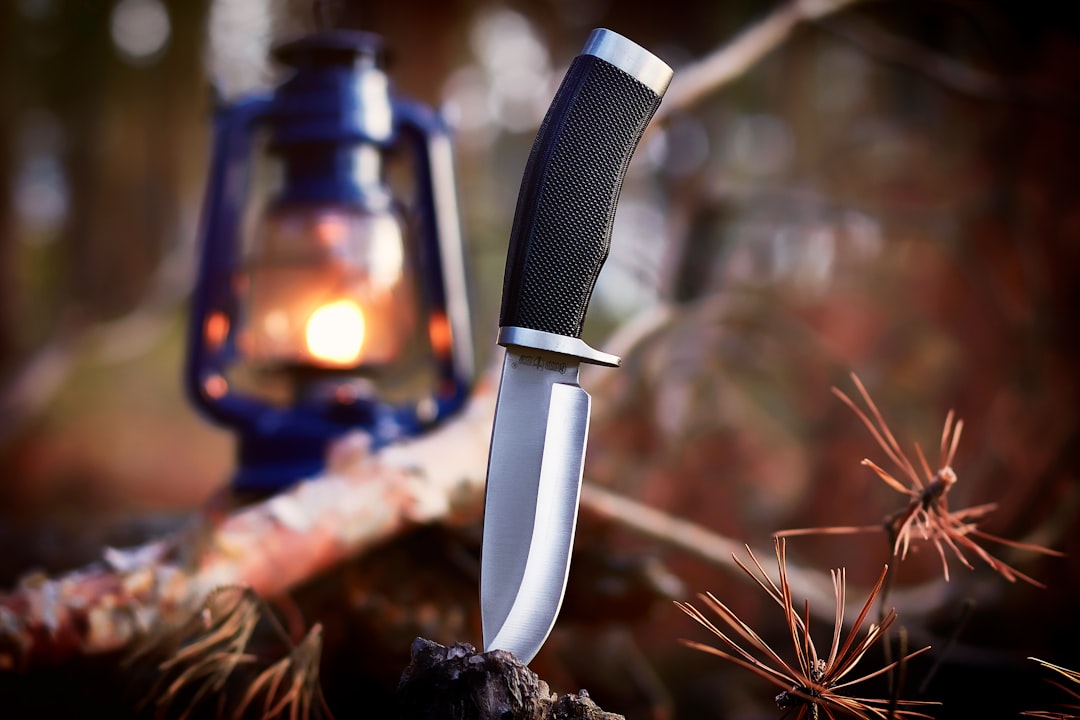
Sharp knives improve safety, precision, and enjoyment in food prep, whether you’re slicing vegetables for dinner or filleting fish on a camping trip. A dull blade requires more force, increasing the risk of slips and accidents. For Shun and Yoshihiro knives, which often feature thin, delicate edges made with layered Damascus steel or high-carbon steel cores, proper sharpening with the right whetstone preserves their longevity and performance.
Moreover, understanding whetstones helps you avoid damaging your investment. Using the wrong grit or a poor-quality stone can chip or grind away too much metal, ruining the blade’s geometry. This is why a step-by-step approach matters.
Main Content
1. Understand Your Knife’s Steel and Edge
Shun knives typically feature VG-MAX steel, a proprietary high-carbon stainless steel, layered with Damascus patterns. Yoshihiro knives often use blue or white steel varieties, prized for their sharpness but more prone to rust and chipping.
Looking for Shun knives typically feature VG-MAX steel?
Key takeaway: Softer stainless steel like VG-MAX is more forgiving and can be sharpened with a moderate grit range, while harder carbon steels require finer stones to polish without damage.
2. Know the Grit Scale and What It Means
- Coarse (200-600 grit): For repairing chips, reshaping edges, or sharpening very dull blades.
- Medium (800-2000 grit): For regular sharpening and restoring the edge.
- Fine (3000-8000 grit and above): For polishing and refining the edge to razor sharpness.
For Shun and Yoshihiro knives, a medium grit stone around 1000-1500 is ideal for routine sharpening, with a finer stone (3000-6000 grit) to polish. Coarse stones are only necessary if the knife has chips or is extremely dull.
3. Choose the Type of Whetstone: Natural vs. Synthetic
Natural stones are quarried from specific Japanese regions like Kyoto or Shiga. They offer a unique sharpening experience but are expensive and inconsistent in grit.
Synthetic stones, such as those made by King or Naniwa, are highly consistent, affordable, and widely used by professional chefs and outdoor enthusiasts in Japan. They come in predictable grit sizes and sharpen evenly.
For Americans seeking reliable results and ease of use, synthetic Japanese stones are recommended.
4. Water vs. Oil Stones
Most Japanese whetstones are water stones, meaning you soak them in water before use. Water stones sharpen faster and produce a smoother edge. Oil stones require oil as a lubricant and are generally less favored for delicate Japanese knives.
Use a water stone for your Shun and Yoshihiro knives to maintain the blade’s integrity.
Looking for Yoshihiro knives?
5. Size and Thickness Considerations
A typical whetstone size is around 8″ x 2.5″ x 1″. Larger stones offer more surface area and stability, good for larger blades and comfortable sharpening. Thicker stones last longer and stay flat during use.
For camping or outdoor use, consider a smaller, portable stone (around 6″ x 2″) that fits easily into your gear. Brands like Snow Peak (based in Niigata, Japan) offer compact sharpening stones perfect for campers who want to maintain their blades in the field.
6. Step-by-Step Sharpening Process
- Soak the stone: Submerge your whetstone in water for 10-15 minutes until no air bubbles rise.
- Secure the stone: Place it on a non-slip surface or use a stone holder.
- Start with the coarse grit (if needed): For dull or chipped blades, sharpen each side evenly by holding the knife at a 15-degree angle and pushing the blade across the stone away from you.
- Move to medium grit: Use a 1000-1500 grit stone for regular sharpening, maintaining the angle and equal strokes on both sides.
- Finish with fine grit: Polish the edge on a 3000-6000 grit stone to hone for razor sharpness.
- Clean the knife and stone: Wipe the blade clean and rinse the stone to remove slurry.
- Test sharpness: Carefully slice paper or shave a few hairs to check the edge.
7. Maintenance Tips for Your Whetstone
- Flatten your stone regularly with a flattening stone or lapping plate to prevent uneven surfaces.
- Dry the stone thoroughly after use to avoid mold or cracking.
- Store stones in a cool, dry place away from direct sunlight.
Pro Tips from Japan: Sharpening in the Field
Drawing from Japanese camping culture—where chefs and outdoorsmen alike rely on sharp knives away from home—here are some expert tips:
- Portable whetstones: Brands like Snow Peak provide compact, dual-sided stones that are easy to carry and effective at maintaining edges during extended trips.
- Water source: Use natural water sources like mountain streams to soak your whetstone when camping, but always bring clean water for rinsing your blade and stone slurry.
- Angle consistency: Practice maintaining a consistent angle using visual guides or angle guides, which are especially helpful in outdoor environments with limited lighting.
- Regular touch-ups: In the field, frequent light sharpening is better than letting the blade get very dull—it preserves edge geometry and reduces risk of damage.
- Multi-use tools: Some Japanese whetstones come with integrated sharpeners or slip-resistant bases, making field sharpening safer and easier.
Recommended Products
- King KW65 1000/6000 Grit Combination Waterstone – Approximately $45. A popular synthetic stone offering medium and fine grit for sharpening and polishing Shun and Yoshihiro knives.
- Naniwa Super Stone 1000 Grit – Around $60. A professional-grade medium grit stone known for fast sharpening and durability.
- Snow Peak Ceramic Sharpening Stone – About $50. Made in Niigata, Japan, this compact stone is perfect for camping and outdoor use, with fine ceramic grit suitable for touch-ups.
- Shapton Glass Stone 5000 Grit – Roughly $80. A high-end synthetic stone favored by Japanese chefs for ultra-fine polishing.
- Lapping Plate Flattening Stone – $20-$40. Essential for maintaining flatness on your whetstones to ensure effective sharpening.
Conclusion
Choosing the perfect whetstone for your Shun or Yoshihiro knives boils down to understanding the steel type, selecting appropriate grit sizes, and opting for quality synthetic Japanese water stones for consistent results. Whether you’re sharpening at home or maintaining your knives on a camping trip, a well-chosen whetstone preserves your blades’ performance and longevity.
Looking for Yoshihiro knives?
By following this step-by-step guide and applying tips inspired by Japanese outdoor traditions, you’ll ensure your knives remain razor sharp and ready for any culinary or wilderness challenge.
Remember: the right whetstone is an investment in your knife’s future, and ultimately, in your safety and enjoyment.
Frequently Asked Questions
Q: What grit whetstone do I need for Shun and Yoshihiro knives?
Shun and Yoshihiro knives typically require whetstones in the 1000-6000 grit range for regular maintenance and sharpening, with 3000-5000 grit being ideal for most home cooks. A three-whetstone set covering multiple grits is available on Amazon and provides the best versatility for maintaining these premium Japanese blades.
Q: Can I use any whetstone on Japanese knives like Shun and Yoshihiro?
While you can use most whetstones on Japanese knives, Shun and Yoshihiro blades perform best with whetstones specifically designed for high-carbon steel, as these knives are harder than Western-style knives. Using the appropriate grit whetstone available on Amazon ensures you maintain the blade’s edge without damaging the steel.
Q: Where can I buy whetstones for my Japanese knives?
Whetstones suitable for Shun and Yoshihiro knives are readily available on Amazon, including specialized three-whetstone sets designed for Japanese blade maintenance. Amazon offers convenient pricing and selection for both individual whetstones and complete sharpening kits.