Brand Introduction
When most Americans think about cameras and instant photography, iconic names like Polaroid or Canon often come to mind. However, a Japanese titan quietly reshaping the photography landscape worldwide is Fujifilm. Known for blending cutting-edge technology with nostalgic charm, Fujifilm offers much more than just cameras; it represents a unique philosophy rooted in Japan’s rich culture of craftsmanship and innovation. This brand spotlight uncovers what many American consumers may not know about Fujifilm’s heritage, design ethos, and why its products continue to captivate photographers and instant photo enthusiasts alike.
Looking for Fujifilm offers much more than just cameras?
History and Heritage
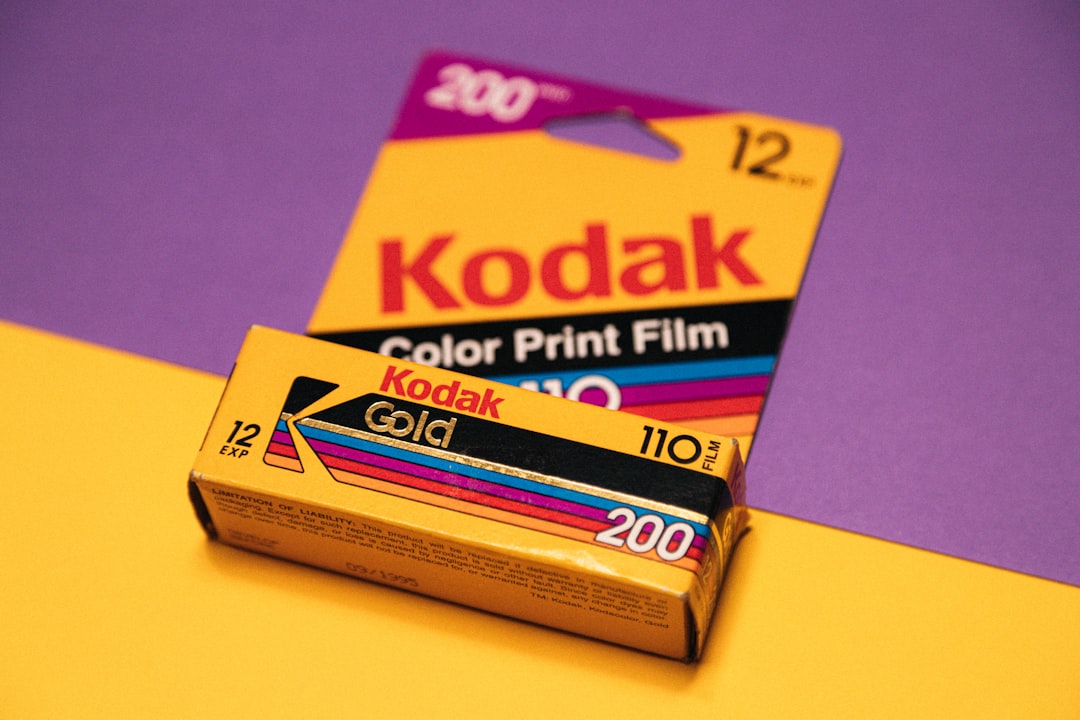
Founded in 1934 as a photographic film manufacturer in Tokyo, Fujifilm quickly became a pioneer in the imaging industry. Unlike many Western companies that focused solely on traditional cameras, Fujifilm diversified early, investing heavily in research and development. Throughout the 20th century, Fujifilm evolved from producing film rolls and photographic paper to creating sophisticated digital cameras and instant photography systems.
This evolution was driven by a commitment to innovation balanced with respect for analog traditions. For example, even as digital photography surged, Fujifilm continued to maintain its iconic line of instant cameras and films, preserving the tactile experience of physical photographs. The brand’s Japanese roots are evident in its meticulous attention to detail and enduring commitment to quality.
Looking for Fujifilm evolved from producing film rolls?
Design Philosophy
Fujifilm’s design philosophy is deeply influenced by Japanese cultural values, emphasizing simplicity, functionality, and harmony with the user’s experience. This approach is often described using the Japanese concept of “Monozukuri”, which means “the art, science, and craft of making things.”
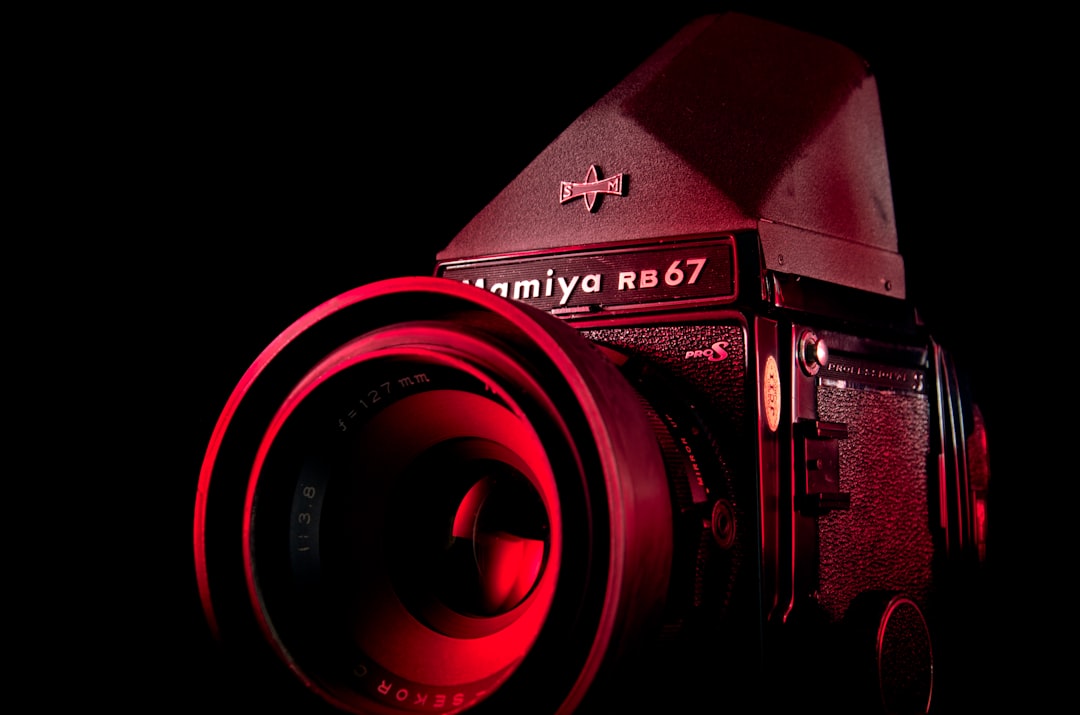
In practical terms, this means every Fujifilm camera is not only engineered for high performance but also designed to feel intuitive and natural in the hands of the user. The brand marries retro aesthetics with modern technology, resulting in products that evoke nostalgia while delivering cutting-edge features. Their cameras often feature physical dials and controls — a nod to classic camera designs — which appeals to both professional photographers and hobbyists seeking a tactile connection with their craft.
Signature Products
- Fujifilm X Series Cameras: These mirrorless digital cameras, such as the Fujifilm X-T4 and X-T5, are celebrated for their exceptional image quality, film simulation modes, and compact design. They offer advanced features like in-body image stabilization and high-resolution sensors, making them favorites among professionals and enthusiasts.
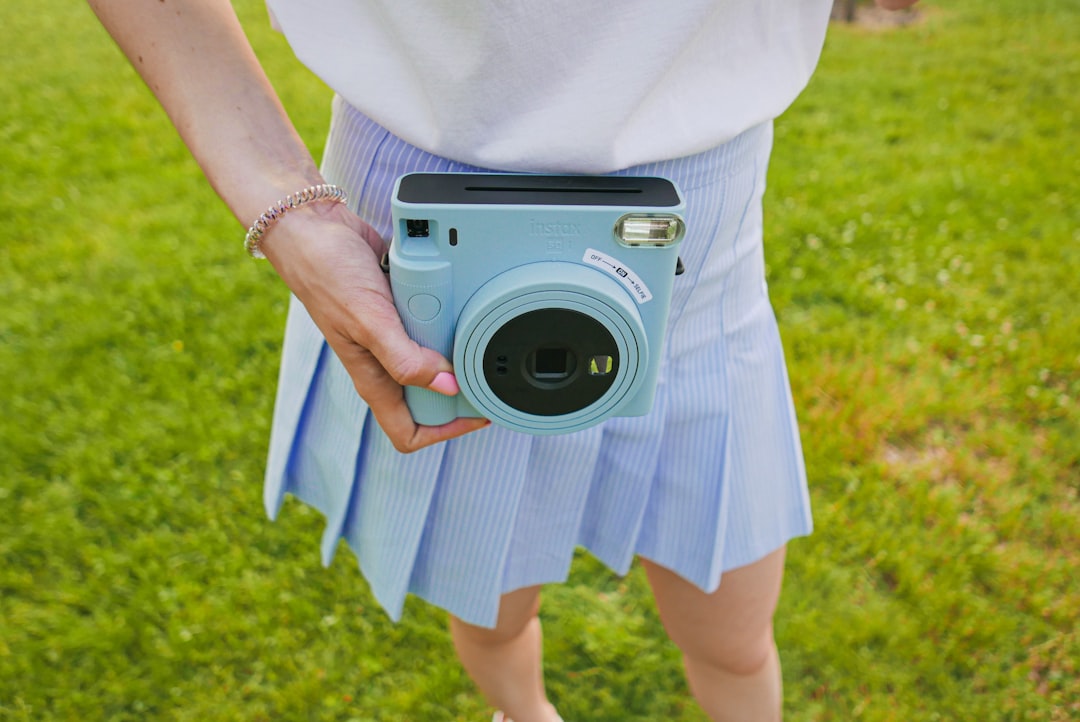
- Instax Instant Cameras: Fujifilm’s Instax line, including the Instax Mini 11 and Instax Square SQ1, has revitalized instant photography globally. These cameras produce credit-card-sized instant prints that foster a social and creative experience, bridging digital and analog worlds. The films are manufactured in Japan with strict quality control, ensuring vivid colors and crisp images.
- Fujifilm GFX Series: For those seeking medium-format quality, the GFX 50S II and GFX 100S deliver stunning resolution and dynamic range, ideal for commercial and fine art photography.
Why Americans Should Care
While Fujifilm is a household name in Japan and many parts of Asia, its philosophy and product innovation often come as a pleasant surprise to American consumers. Here’s what many Americans might not realize:
Looking for Fujifilm GFX Series?
- Japanese Craftsmanship Meets Innovation: Fujifilm cameras and instant films are often assembled or manufactured in Japan, where stringent quality standards ensure durability and performance. This contrasts with many competitors who outsource production extensively.
- Analog Meets Digital: Unlike brands that abandoned film early on, Fujifilm continues to embrace analog formats alongside digital technology. This unique duality offers users the best of both worlds — instant gratification with physical prints and the versatility of digital editing.
- Cultural Sensibility: Fujifilm products are designed with an understanding of user emotion and experience, a trait deeply rooted in Japanese culture. Their cameras are not just tools but companions in creativity, emphasizing mindfulness and appreciation for the moment.
- Community and Creativity: Fujifilm actively supports global communities through workshops, contests, and exhibitions, encouraging users to explore photography as an art form rather than just a hobby.
Where to Buy
Fujifilm products are widely available across the United States through:
Looking for Fujifilm products?
- Major Electronics Retailers: Stores like B&H Photo Video, Adorama, and Best Buy carry a broad range of Fujifilm cameras and accessories.
- Official Fujifilm Website: The brand’s U.S. site offers the latest releases, exclusive bundles, and direct customer support.
- Instant Camera Specialty Retailers: Shops focusing on instant photography, like Urban Outfitters or specialty photo stores, often stock Instax cameras and films.
Prices vary by product line, with Instax cameras typically ranging from $60 to $130, X Series mirrorless cameras from $700 to $1,700, and GFX medium-format cameras exceeding $5,000. Instant film packs generally cost around $15-$20 for 10 sheets.
Looking for Fujifilm cameras?
Conclusion
Fujifilm’s story is one of enduring innovation anchored in Japanese tradition, blending analog charm with digital sophistication. For American consumers seeking quality, creativity, and a deeper connection to their photography gear, Fujifilm offers a compelling alternative to more mainstream brands. Whether you’re an instant photography lover or a professional photographer, understanding Fujifilm’s unique heritage and design philosophy can enrich your appreciation of their products and inspire your next photographic adventure.
Next time you explore camera options, remember: Fujifilm isn’t just another camera brand. It’s a gateway to Japanese artistry, innovation, and a cultural approach to photography that emphasizes experience as much as image quality.
Frequently Asked Questions
Q: Where can I buy Fujifilm instant cameras on Amazon?
Fujifilm instant cameras, including the popular Instax Mini and Wide series, are widely available on Amazon with various retailers offering competitive pricing and fast shipping options.
Q: Are Fujifilm cameras better than Canon for photography?
Fujifilm cameras excel in instant photography and blend technology with nostalgic design, while Canon is traditionally known for professional DSLRs; the choice depends on whether you prioritize instant prints or advanced digital features.
Q: What makes Fujifilm different from Polaroid instant cameras?
Fujifilm combines Japanese craftsmanship and cutting-edge innovation with a modern design philosophy, offering reliable instant photography products that blend contemporary technology with nostalgic charm that appeals to American consumers.