Introduction
Japanese ceramic dishware has long been admired for its blend of timeless beauty, exceptional craftsmanship, and practical durability. For American households seeking to elevate their dining experience with tableware that tells a story, Japanese ceramics offer a unique fusion of artistry and function. Whether you’re an avid camper, a home chef, or simply appreciate well-made dishes, this guide will help you understand how to select these pieces that suits your lifestyle and aesthetic preferences.
Why This Matters
Choosing the right ceramic dishware is more than just a style statement—it’s an investment in quality, longevity, and daily joy. Japanese ceramics are crafted with centuries-old techniques, combining natural materials with innovative firing methods that enhance durability. For American consumers, especially those who enjoy outdoor dining or camping, understanding the nuances of Japanese ceramics can mean selecting pieces that hold up to varied environments, resist chipping or cracking, and remain visually stunning over time.
Main Content
Understanding Japanese Ceramic Traditions
Japan’s ceramic heritage is rich and varied, with styles that reflect regional climates, materials, and cultural influences. Some of the most renowned styles include:
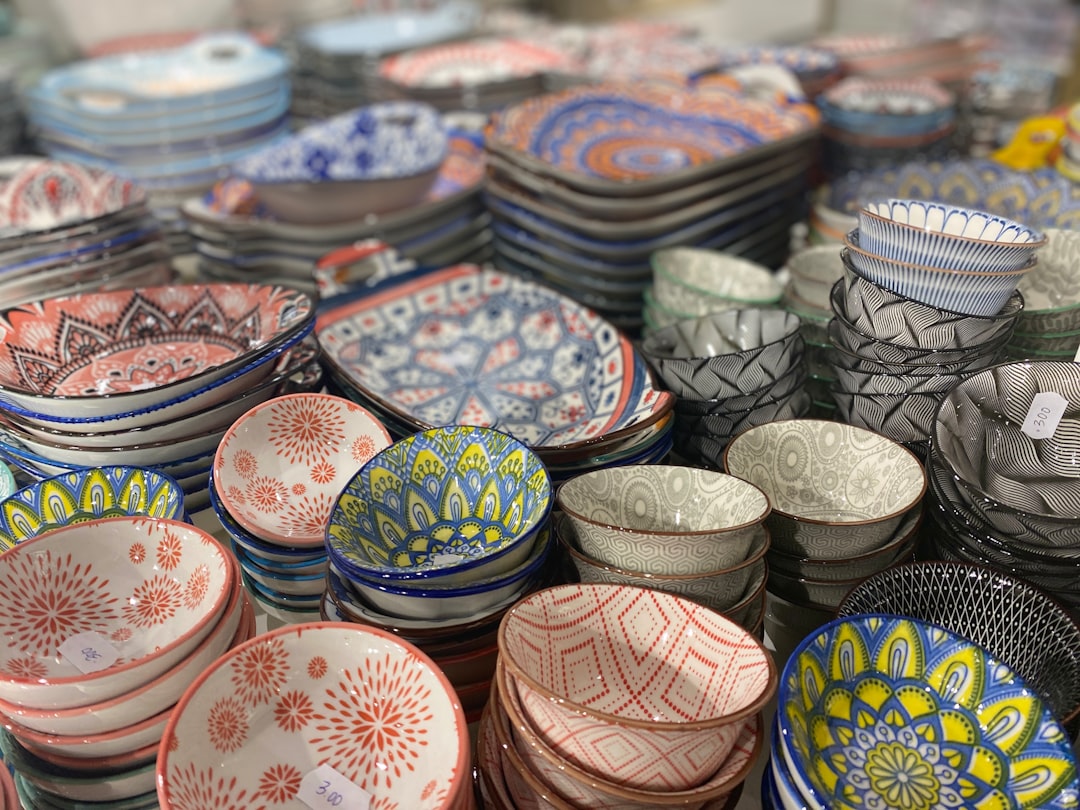
- Imari – Known for its intricate blue and red patterns, originating from Saga Prefecture.
- Shino – Characterized by thick, white glazes with subtle textures, popular in Mino region.
- Raku – Handmade, low-fired ceramics often used in tea ceremonies, prized for their unique textures.
- Hagi – Soft, warm glazes with a natural, earthy feel from Yamaguchi Prefecture.
Each style offers different levels of durability and aesthetic qualities, making them suitable for various uses, from formal dinners to outdoor camping meals.
Key Factors in Choosing Durable Japanese Ceramic Dishware
When selecting Japanese ceramic dishware for everyday use or outdoor activities, consider these essential factors:
- Material Composition: Look for stoneware or porcelain rather than earthenware. Stoneware is fired at higher temperatures, making it more chip- and crack-resistant—ideal for camping or active households.
- Glaze Quality: High-quality glazes protect the ceramics from stains and scratches. Japanese artisans often use ash glazes or natural feldspar glazes that enhance durability.
- Weight & Thickness: Lightweight ceramics are preferable for camping or outdoor use. Brands like Snow Peak (HQ Niigata, Japan) offer innovative designs balancing weight and sturdiness.
- Size and Shape: Choose sizes that fit your typical meals and storage space. Stackable designs save space, especially useful for camping gear.
- Microwave and Dishwasher Safety: Confirm if the dishware can withstand microwave heating and dishwasher cycles, which is crucial for modern American kitchens.
Step-by-Step Guide to Selecting Japanese Ceramic Dishware
- Identify Your Primary Use: Home dining, outdoor camping, or a mix? Durability needs differ accordingly.
- Research Regional Styles: Choose a style that matches your taste and intended function. For example, Hagi ware offers rustic charm for casual settings, whereas Imari is elegant for formal dining.
- Examine Product Descriptions: Look for details on firing temperature, materials, and glaze composition.
- Check Manufacturer Location: Authentic Japanese ceramics are often crafted in specific prefectures. Verify origins to ensure quality.
- Read Reviews from Outdoor Enthusiasts: Many Japanese camping brands, like Snow Peak, integrate ceramic dishware designed for rugged use. Their products have been tested in real camping scenarios.
- Purchase from Reputable Sellers: Consider specialty Japanese import stores or trusted online retailers.
- Test for Comfort and Practicality: Once acquired, assess how the dishware feels, handles heat, and fits your table or camping setup.
Durability Considerations from a Japanese Camping Perspective
Japanese camping culture prioritizes minimalism, quality, and multifunctionality. Brands like Snow Peak have pioneered ceramic dishware that balances aesthetics with outdoor durability. Here’s what to keep in mind:
- Shock Resistance: While ceramics are inherently more fragile than metal, Japanese stoneware is often fired to withstand minor bumps common in camping.
- Thermal Performance: Good ceramics retain heat well, keeping food warm longer outdoors.
- Cleaning Ease: Glazed surfaces resist dirt and are easier to clean with limited water sources.
- Packability: Stackable designs and lighter weight reduce bulk in camping gear.
Pro Tips from Japan
- Carry a Protective Sleeve: When camping, use padded sleeves or cloth wraps to prevent chipping during transport.
- Pair Ceramics with Bamboo Utensils: This traditional combination reduces noise and potential damage from metal cutlery.
- Seasonal Use: Some ceramics, like Raku ware, are better suited for dry weather due to their porous nature. Stoneware is preferable for all seasons.
- Avoid Rapid Temperature Changes: Sudden shifts from hot to cold can cause cracking. Let ceramics cool naturally when possible. When using on campfire grills, avoid direct flame contact as it can damage glazes. Place ceramics on grills with indirect heat.
Recommended Japanese Ceramic Dishware Products
- Snow Peak Ceramic Plate Set – Stoneware, lightweight, stackable. Price: $80-$120 per set. Perfect for camping and home use. Manufactured in Niigata, Japan.
- Imari Porcelain Dinnerware – Hand-painted, elegant, microwave safe. Price: $50-$100 per plate. Suitable for formal dining.
- Hagi Ware Mugs and Bowls – Rustic stoneware with natural glaze. Price: $30-$60 per piece. Great for casual meals and tea.
- Hasami Porcelain Plates – Known for durability and clean design. Price: $40-$70 per plate.
These products strike a balance between beauty and functionality, tested in Japanese homes and outdoors to ensure durability.
Conclusion
Japanese ceramic dishware offers American homes and camping enthusiasts a rare combination of artistry, durability, and practicality. By understanding the distinct styles, materials, and production methods, you can confidently select pieces that enhance your dining experience — whether indoors or under the open sky. Remember to consider your lifestyle needs, care requirements, and the authenticity of origin when making your choice. With the right ceramics, you’ll bring a piece of Japan’s rich cultural heritage to your table, elevating every meal with beauty and resilience.
🛒 Recommended Japanese Products on Amazon
Frequently Asked Questions
Q: Where can I buy Japanese ceramic dishware in the US?
Japanese ceramic dishware is widely available on Amazon, specialty home goods retailers, and direct from Japanese brands’ US websites, offering convenient shipping and return options for American customers.
Q: Is Japanese ceramic dishware dishwasher safe?
Most Japanese ceramic dishware is dishwasher safe, though hand washing is often recommended to preserve decorative glazes and extend the life of hand-painted or delicate pieces.
Q: How durable is Japanese ceramic dishware compared to regular plates?
Japanese ceramic dishware is highly durable due to traditional craftsmanship techniques and high-quality clay, often lasting significantly longer than mass-produced dishware while resisting chipping and cracking better over time.