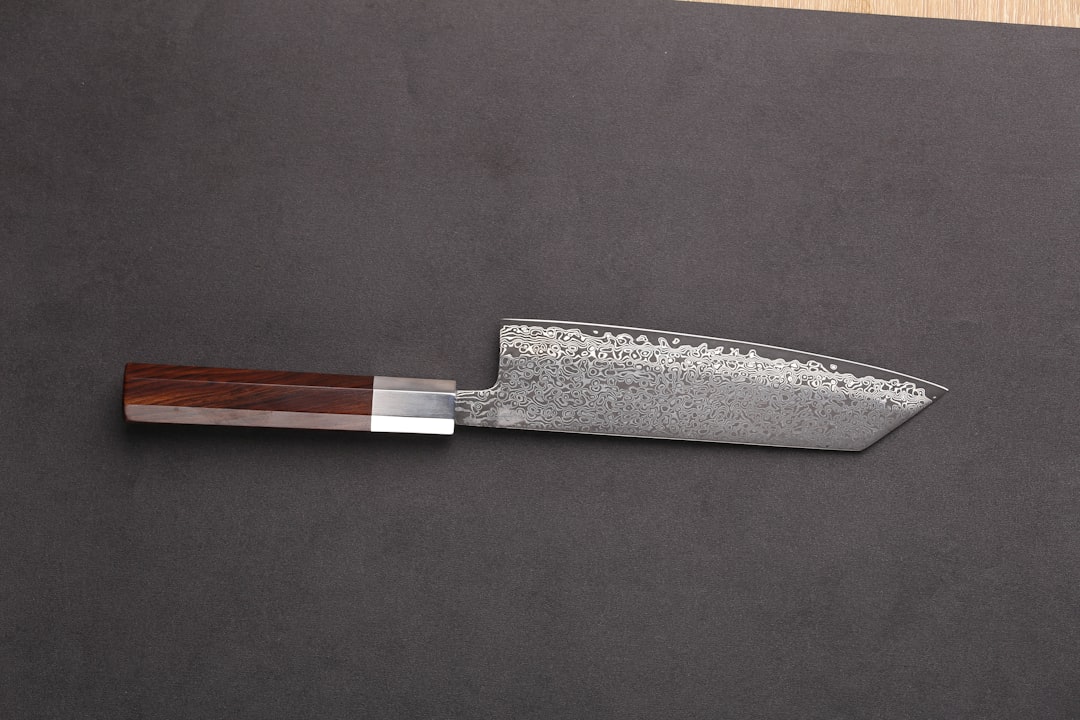
A Beginner’s Guide to Using Japanese Whetstones for Perfectly Sharpened Knives
Welcome to the world of Japanese whetstones, where precision meets tradition. Whether you’re an outdoor enthusiast, a home cook, or a culinary professional, having a well-sharpened knife is essential for efficiency and safety. In this guide, we’ll explore the art of using Japanese whetstones to sharpen your knives to perfection.
Why This Matters
Sharp knives are not just a luxury; they are a necessity, especially in outdoor settings like camping or hiking. A dull knife can be dangerous, leading to slips and accidents. Additionally, a sharp knife makes food preparation faster and more enjoyable. Japanese whetstones, known for their quality and craftsmanship, can help you achieve razor-sharp edges that enhance your cooking and camping experience.
Looking for Sharp knives?
Looking for Sharp knife makes food preparation faster?
Looking for Sharp edges?
The Basics of Japanese Whetstones
Understanding Whetstone Grits
Japanese whetstones come in various grits, typically ranging from coarse (200-600 grit) to fine (1000-8000 grit). The grit level determines the stone’s abrasiveness and the type of sharpening it provides:
- Coarse Grit (200-600): Ideal for repairing damaged edges or reshaping blades.
- Medium Grit (800-1000): Great for regular sharpening and refining the edge.
- Fine Grit (3000-8000): Perfect for polishing and honing an already sharp blade.
Types of Whetstones
There are primarily two types of Japanese whetstones:
Looking for Sharp blade?
- Natural Stones: Sourced from specific locations in Japan, each natural stone offers unique sharpening qualities.
- Artificial Stones: Made from various materials, these stones are designed to provide consistent performance and are often more accessible.
Step-by-Step Guide to Using Japanese Whetstones
Step 1: Gather Your Tools
Before you begin, you’ll need:
- A Japanese whetstone (choose based on the knife’s condition)
- Water for soaking the stone
- A clean cloth or towel
- Your knife(s) to sharpen
Step 2: Soak the Whetstone
Most Japanese whetstones require soaking before use. Submerge your stone in water for about 10-15 minutes. You’ll know it’s ready when air bubbles stop rising from the surface.
Step 3: Position the Whetstone
Place the whetstone on a stable surface. A non-slip mat can help keep it secure while you sharpen.
Step 4: Determine the Angle
Sharpening angle is crucial. For most Japanese knives, a 15-degree angle is ideal. For Western-style knives, aim for around 20 degrees. Use your fingers or a sharpening guide to maintain the correct angle throughout the process.
Step 5: Start Sharpening
Begin with the coarse side of the whetstone (if dual-sided) and use gentle, consistent strokes. Start from the heel of the blade and work your way to the tip, applying light pressure:
- Draw the blade across the stone, maintaining your chosen angle.
- Use about 6-10 strokes on one side before switching to the other.
Step 6: Switch to Fine Grit
Once you’ve achieved a sharp edge with the coarse side, flip the stone to the fine grit side. Repeat the same sharpening technique to polish the edge.
Step 7: Clean and Wipe the Knife
After sharpening, rinse the knife and wipe it dry. This removes any metal filings and ensures your knife is ready for use.
Pro Tips from Japan
- Regular Maintenance: A quick touch-up after every few uses can make a big difference.
- Use Water Sparingly: Some advanced users prefer to use a splash of water while sharpening. Experiment with what feels best for you.
- Practice Patience: Taking your time while sharpening can lead to better results. Rushing may damage the blade.
Recommended Products
Here are some top-rated Japanese whetstones that we recommend for beginners:
- Naniwa Chosera 1000 Grit: Perfect for regular maintenance, providing a great balance between speed and polish. Price: $60.
- King 1000/6000 Grit Combo Stone: A versatile choice for beginners, with both medium and fine grit in one stone. Price: $40.
- Shapton Glass Stone: Known for its durability and consistent performance. Available in various grits. Price: $75.
For more information on these products, check out reputable outdoor and culinary supply stores, or look for them online.
Conclusion
Using Japanese whetstones can elevate your knife maintenance routine, ensuring that your tools perform at their best whether you’re at home or out in the wild. By following this guide, you’ll be well on your way to mastering the art of knife sharpening. Remember, practice makes perfect. Happy sharpening!
Frequently Asked Questions
Q: What is the best Japanese whetstone for beginners on Amazon?
Japanese whetstones come in various grit levels, with combination stones (typically 1000/6000 grit) being ideal for beginners as they offer both sharpening and finishing in one product. Look for brands like King or Shapton on Amazon that offer affordable starter options.
Q: How do you use a Japanese whetstone to sharpen kitchen knives?
To use a Japanese whetstone, soak it in water for 10-15 minutes, then hold your knife at a 15-20 degree angle and stroke it across the stone in a controlled motion, alternating sides until sharp. Most beginners find this technique easier to master than Western sharpening methods.
Q: Are Japanese whetstones better than electric knife sharpeners?
Japanese whetstones provide more control and preserve blade quality better than electric sharpeners, making them preferred by chefs and professionals, though they require more skill and practice to use effectively. Many Amazon reviewers note that whetstones last longer and produce superior edge quality on high-end knives.