Introduction
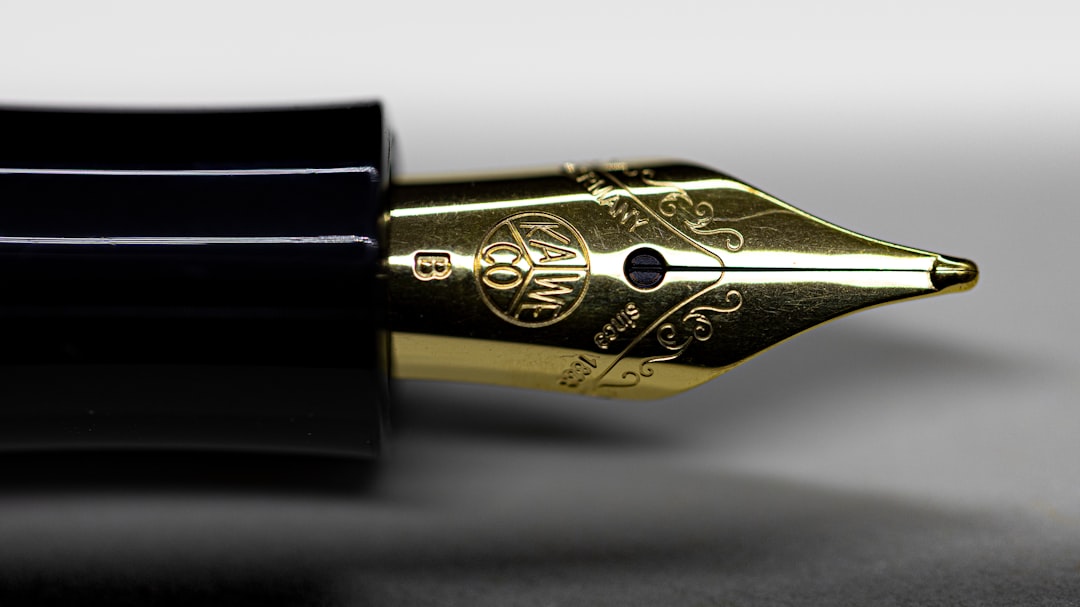
Japanese fountain pens are renowned worldwide for their precision, craftsmanship, and unique writing experience. Brands like Sailor, Pilot, and Platinum have elevated the humble pen into an art form, blending tradition with innovation. For American readers new to fountain pens or curious about the Japanese approach to penmanship, this guide offers a comprehensive introduction to these iconic brands, their standout models, and practical tips to help you start your fountain pen journey with confidence.
Looking for Sailor Pro Gear Slim?
Why This Matters
In today’s digital age, handwriting remains a valued skill—whether for journaling, note-taking, or creative expression. These pens stand out not only for their reliable performance but also for their cultural significance and meticulous manufacturing. Designed with subtle attention to detail that enhances comfort and precision, they are ideal tools for both beginners and experienced users. Moreover, understanding the differences between brands and models helps you make an informed purchase that suits your writing style and budget.
Main Content
1. The Japanese Fountain Pen Tradition
Japan’s fountain pen industry dates back to the early 20th century. Unlike Western brands that often emphasize bold design, Japanese manufacturers focus on refined engineering, creating pens that offer smooth ink flow with delicate nib options. The industry is centered around cities like Hiroshima (home to Sailor) and Tokyo (where Pilot and Platinum are headquartered). Many models are still handcrafted or feature hand-tuned nibs, ensuring exceptional quality.
2. Key Brands and Their Signature Models
Sailor
- History: Founded in Hiroshima in 1911, Sailor is revered for its exceptional nib craftsmanship.
- Signature Models:
- Sailor 1911 Standard: A classic, reliable pen with a smooth 14k gold nib, priced around $150-$200.
- Sailor Pro Gear Slim: A slimmer, elegant model favored by collectors and daily users alike.
- Sailor Realo: Features a built-in piston filling system, ideal for those who prefer bottled inks.
- Manufacturing: Most Sailor pens are assembled and nib-tuned in Japan, with some components sourced locally.
Pilot
- History: Established in Tokyo in 1918, Pilot is one of the largest and most innovative Japanese pen makers.
- Signature Models:
- Pilot Metropolitan: An affordable entry-level pen ($15-$25), great for beginners.
- Pilot Custom 74: A mid-range pen ($120-$150) with a 14k gold nib and transparent body options.
- Pilot Vanishing Point: A unique retractable fountain pen favored for its convenience, priced around $150-$200.
- Manufacturing: Pilot pens are designed and mostly assembled in Japan, with nibs often hand-tuned in their Tokyo factory.
Platinum
- History: Founded in 1919, Platinum is known for durability and innovative ink technology.
- Signature Models:
- Platinum Preppy: Ultra-affordable beginner pen ($5-$10), great for casual use and experimenting.
- Platinum #3776 Century: A premium pen ($130-$180) featuring a patented nib mechanism to prevent ink drying.
- Platinum Izumo: A luxury line handcrafted by artisans, often costing $600 and above.
- Manufacturing: Fully produced in Japan, with close attention to consistent nib quality and ink flow.
3. Understanding Japanese Nibs
Japanese nibs tend to be finer than their Western counterparts, often labeled as Extra Fine (EF) or Fine (F) that correspond roughly to Western Fine and Extra Fine sizes. This allows for precise, delicate writing, ideal for smaller handwriting or detailed note-taking. Many Japanese fountain pens also offer soft nib options that provide some flex for expressive writing.
Looking for Sailor Realo?
Looking for Pilot Vanishing Point?
4. Ink and Filling Systems
Japanese pens use a variety of filling systems:
- Cartridge/Converter: Most beginner to mid-range models use standard international cartridges or converters, allowing easy ink replacement.
- Piston Fillers: Found on higher-end Sailor and Platinum models, piston fillers hold more ink and are more eco-friendly.
- Unique Systems: The Platinum #3776 uses a slip and seal mechanism to prevent ink from drying out during long periods of non-use, perfect for outdoor enthusiasts.
5. Step-by-Step: How to Start Using a Japanese Fountain Pen
- Choose your pen: Start with an accessible model like Pilot Metropolitan or Sailor 1911 Standard.
- Get ink: Pick a bottle or cartridges compatible with your pen. Japanese inks like Sailor Jentle or Pilot Iroshizuku are highly recommended.
- Fill the pen: If using cartridges, simply insert one. For converters or piston fillers, draw ink into the pen by dipping the nib and operating the filling mechanism.
- Test writing: Write on smooth paper to get used to the nib’s feel and ink flow.
- Maintain your pen: Flush the nib with water regularly, especially when changing inks. Avoid dropping the pen to protect the delicate nib.
Pro Tips from Japan
- Camping and Outdoor Use: From a Japanese camping perspective—brands like Platinum’s #3776 Century are ideal for outdoor journaling due to their ink-sealing technology, which prevents drying out even with irregular use.
- Nib Customization: Many Japanese retailers offer nib tuning services. If you want a softer or more flexible nib, consider professional adjustment after purchase.
- Paper Matters: Japanese fountain pens perform best on smooth, high-quality paper such as Tomoe River, often used by outdoor journalers for its lightweight and fountain pen-friendly texture.
- Carry Safely: When hiking or camping, store your pen in a protective case to avoid damage from bumps or moisture.
Recommended Products
- Pilot Metropolitan Fountain Pen: $15-$25. A perfect beginner’s pen with smooth writing and affordable price.
- Sailor 1911 Standard: $150-$200. A mid-range pen with renowned 14k nib quality.
- Platinum #3776 Century Fountain Pen: $130-$180. Excellent for everyday use with innovative ink sealing.
- Sailor Jentle Ink Bottles: $15-$25. Vibrant colors and smooth flow, perfect for use with piston fillers.
- Tomoe River Paper Notebooks: $10-$20. Ideal for fountain pen enthusiasts who want crisp, feather-free writing.
- Protective Pen Cases: $10-$30. Recommended for camping or travel to keep your pen safe.
Conclusion
Japanese pens from Sailor, Pilot, and Platinum offer an unmatched combination of craftsmanship, innovation, and cultural heritage. Whether you’re taking your first steps into using one or expanding your collection, these brands provide excellent choices at various price points. Keep in mind the importance of nib size, ink type, and maintenance, especially if you plan to use your pen outdoors. With the right care, a Japanese writing instrument can become a treasured tool — and companion — for your writing adventures.
Looking for Platinum models?
Looking for Pilot Metropolitan Fountain Pen?
By embracing these pens, you’re not just purchasing a writing instrument; you’re connecting with a rich tradition of Japanese artistry and precision. Happy writing!