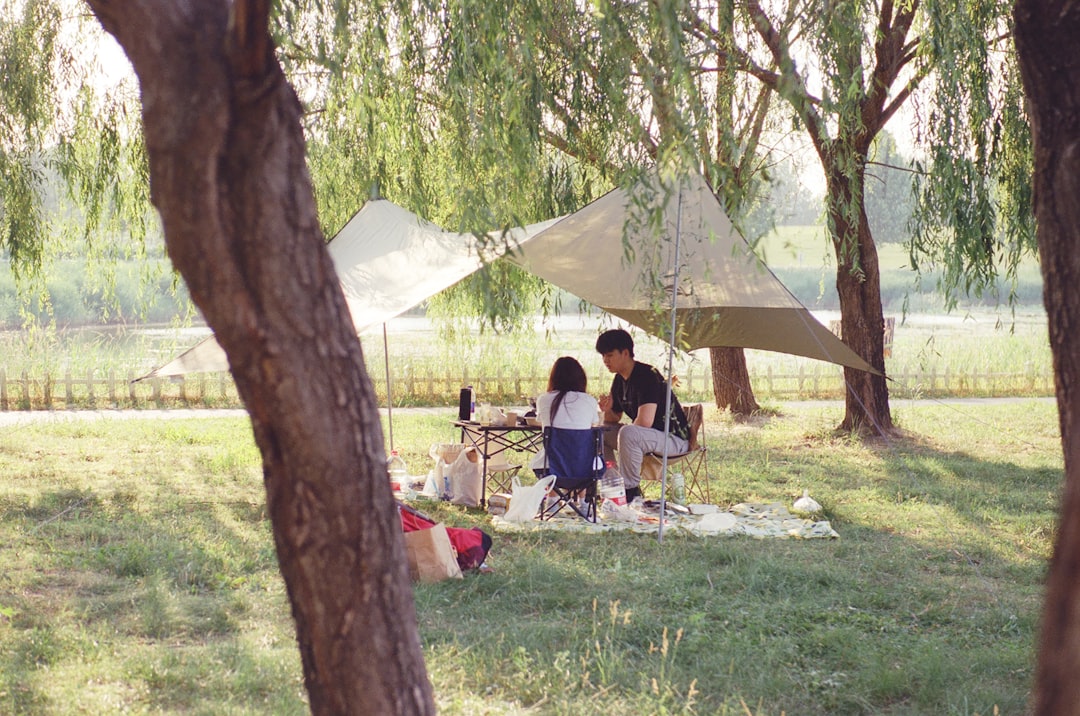
The Definitive Guide to Using Tarps in Camping: Insights from Uniflame and Snow Peak
Introduction
When it comes to camping gear, few items are as versatile and essential as a tarp. Whether you’re looking to create a shelter, protect your gear, or set up a cooking area, tarps can enhance your outdoor experience significantly. In this guide, we’ll explore the best practices for using tarps in camping, with expert insights from two renowned Japanese camping brands: Uniflame and Snow Peak.
Why This Matters
Tarps are not just a piece of fabric thrown over a few poles; they are a critical component of effective camping setups. Understanding how to use them properly can make a huge difference in your comfort and safety while outdoors. Japanese camping culture emphasizes minimalism and functionality, making it essential to grasp the various uses and techniques associated with tarps.
Main Content
Understanding Tarps: Types and Materials
Different types of tarps can serve different purposes. Here’s a breakdown of common materials and their uses:
- Polyethylene: Waterproof and durable, ideal for ground cover and basic shelter.
- Nylon: Lightweight and packable, great for backpackers looking to save space.
- Canvas: Sturdy and breathable, excellent for long-term setups but heavier to carry.
Choosing the Right Tarp for Your Needs
When selecting a tarp, consider the following factors:
- Size: Determine how much coverage you need. Common sizes range from 8×10 feet to 12×16 feet.
- Weight: If you’re backpacking, opt for lightweight options.
- Color: Lighter colors reflect heat, while darker colors absorb it. Choose based on climate.
Setting Up Your Tarp: Step-by-Step Instructions
Setting up a tarp doesn’t have to be complicated. Here’s a simple, step-by-step guide:
- Choose Your Location: Look for a flat, dry area away from hazards like falling branches.
- Lay Out the Tarp: Spread the tarp out on the ground to ensure it’s clean and free of debris.
- Secure the Corners: Use stakes to anchor the corners, ensuring they are taut and secure.
- Create a Ridge Line: For a more advanced setup, run a rope between two trees and attach the tarp to this ridge line for better coverage.
Creative Uses for Tarps
Here are some innovative ways to utilize tarps while camping:
- Rain Shelter: Use it to create a rain cover over your cooking area.
- Ground Cover: Lay it under your tent to protect against moisture.
- Windbreak: Set it up as a barrier against wind, especially near your cooking area.
Maintenance and Care for Your Tarps
To extend the life of your tarp, follow these care tips:
- Clean Regularly: Wash it with mild soap and water after each trip.
- Dry Completely: Make sure it is completely dry before storing to prevent mildew.
- Store Properly: Keep it in a cool, dry place to avoid damage from moisture or pests.
Pro Tips from Japan
Here are some expert tips influenced by Japanese camping practices:
- Efficient Setup: Prioritize speed and ease of setup by using fewer stakes and lines.
- Multi-use Gear: Invest in a tarp that can serve multiple purposes, like a groundsheet and a shelter.
- Consider Aesthetics: Japanese camping often incorporates natural elements. Choose colors and designs that blend with nature.
Recommended Products
Here are some top tarp recommendations from Uniflame and Snow Peak, two popular brands in the Japanese camping scene:
- Uniflame Tarp: This heavy-duty tarp is perfect for rainy conditions, offering excellent waterproofing. Estimated price: $80.
- Snow Peak Tarp: Known for its durability and lightweight design, this tarp is ideal for backpackers. Estimated price: $120.
Conclusion
Using a tarp effectively can greatly enhance your camping experience. With insights from Japanese camping culture, you can appreciate the versatility and functionality that tarps offer. Whether you choose Uniflame or Snow Peak, investing in a quality tarp will prepare you for any outdoor adventure. Equipped with these tips, you’re ready to create a comfortable and versatile campsite.
🛒 Recommended Japanese Products on Amazon
Frequently Asked Questions
Q: What are the best Japanese camping tarps for US buyers?
Uniflame and Snow Peak are two of the most highly regarded Japanese camping brands offering quality tarps available on Amazon, known for their durability and versatile designs that work for shelter, gear protection, and cooking areas.
Q: How do I use a camping tarp effectively?
Tarps can be used for multiple purposes including creating shelters, protecting your camping gear from weather, and setting up covered cooking areas, with proper setup techniques varying by intended use.
Q: Are Japanese camping tarps worth buying on Amazon?
Yes, Japanese brands like Uniflame and Snow Peak offer premium camping tarps that are highly versatile and durable, making them a worthwhile investment for serious campers available through Amazon.