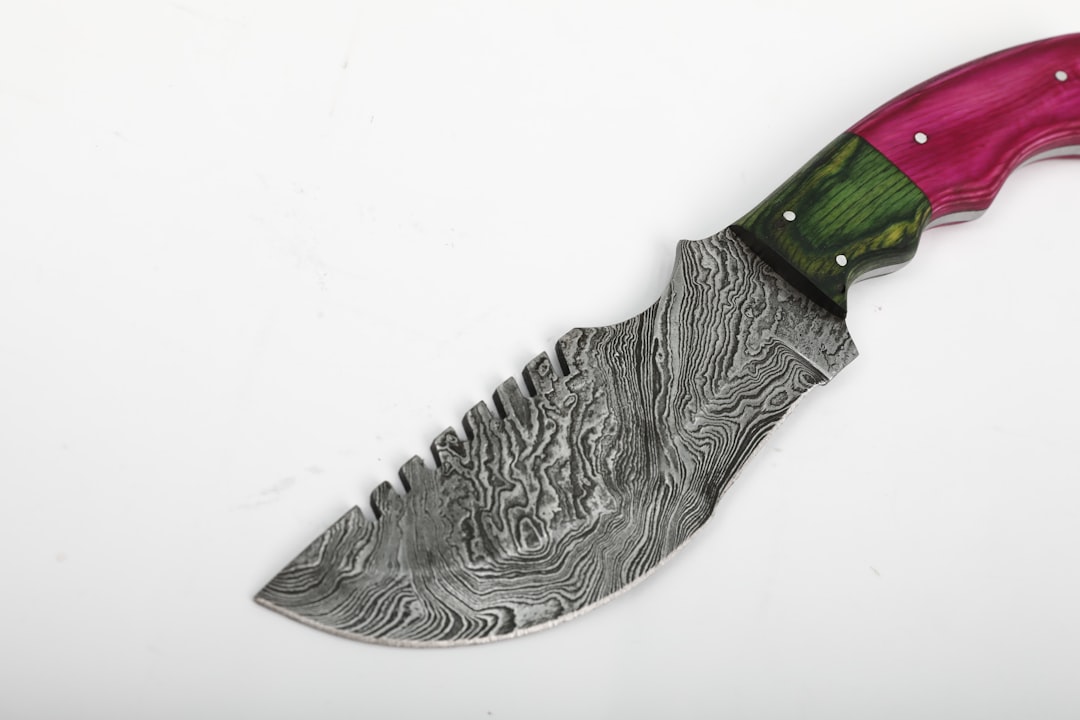
Brand Introduction
When it comes to kitchen knives, many home chefs seek precision, durability, and beauty—qualities often epitomized by Japanese craftsmanship. Miyabi, a premium Japanese knife brand, masterfully blends centuries-old techniques with modern technology to create artisanal chef knives that elevate everyday cooking. While Miyabi is well-known among culinary professionals worldwide, many cooks may not realize the depth of its heritage and why this brand matters beyond just its sharp blades.
Looking for Sharp blades?
History and Heritage
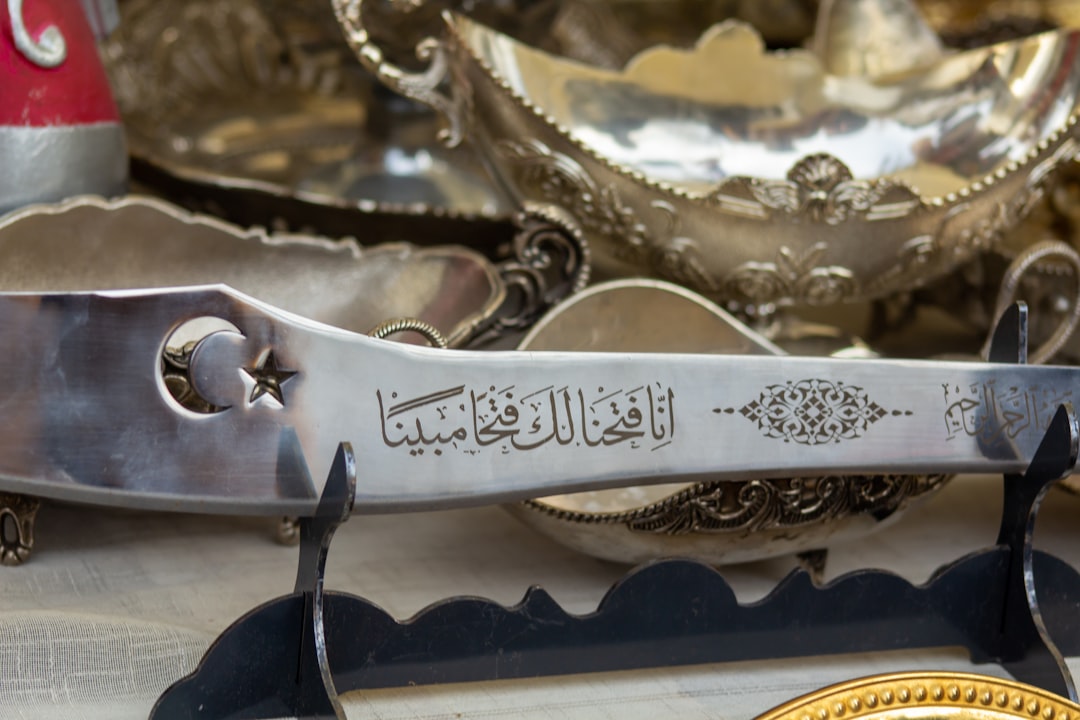
Miyabi is a brand under the umbrella of the German company Zwilling J.A. Henckels, but its knives are proudly crafted in Seki City, Japan—a region renowned for over 700 years as the home of traditional swordsmithing and blade-making. The legacy of Seki City dates back to the samurai era, where master swordsmiths honed their skills forging katana blades. Miyabi knives carry forward this legacy, combining Japanese sword-making heritage with modern knife technology.
Founded in the early 2000s, Miyabi’s mission was to bring authentic Japanese craftsmanship to the global market without compromising on quality or tradition. While Zwilling oversees product development and distribution, every Miyabi knife is forged, sharpened, and polished by hand in Seki City, Japan, ensuring each blade meets exacting standards.
Design Philosophy
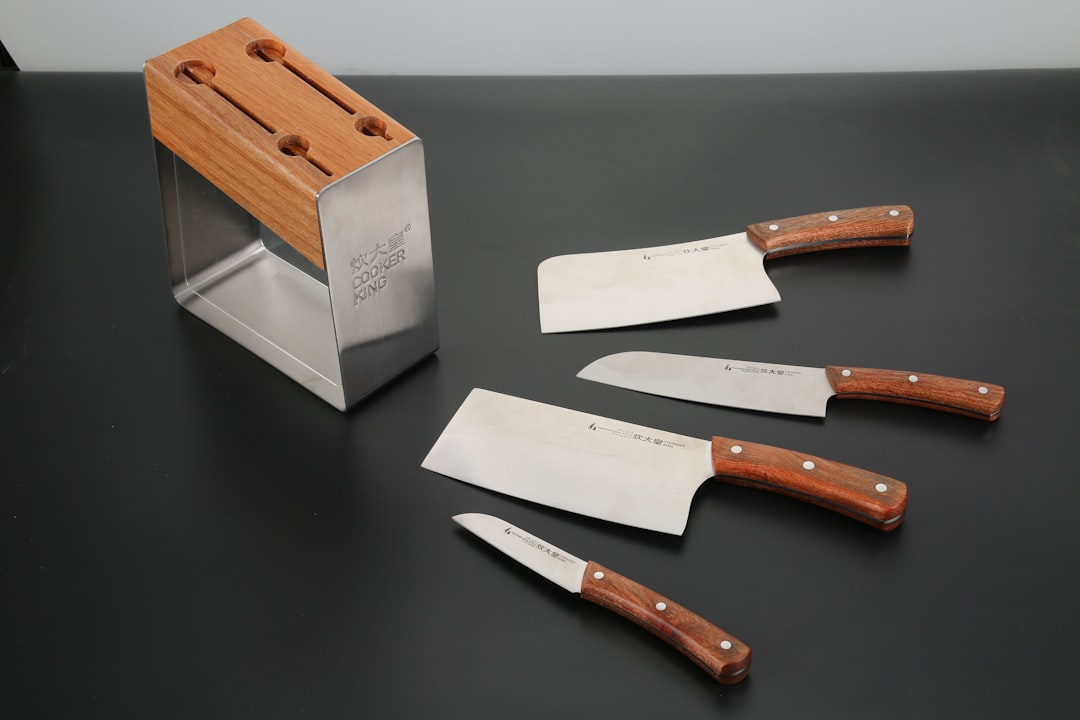
Miyabi’s design philosophy is deeply rooted in the Japanese concepts of shibui (subtle beauty), wabi-sabi (embracing imperfection), and kaizen (continuous improvement). The brand emphasizes functional beauty—knives that are not just tools, but art pieces that inspire cooks to elevate their culinary experience.
Looking for Miyabi Knife?
One hallmark of Miyabi knives is their use of traditional layered Damascus steel, often combining hard VG10 or SG2 steel cores with softer stainless steel layers. This layering enhances sharpness, edge retention, and corrosion resistance while producing striking, intricate blade patterns. Every handle is carefully designed using natural materials such as pakkawood or ebony, balancing comfort and aesthetics to reduce fatigue during extended use.
Moreover, Miyabi incorporates traditional Japanese blade shapes—such as the Santoku, Gyuto, and Nakiri—tailored for versatile Western-style kitchens. The blades are honed at acute angles (typically around 16 degrees) to provide razor-sharp precision cutting, ideal for slicing fish, vegetables, and meats with minimal effort.
Signature Products
- Miyabi Birchwood SG2: Featuring an SG2 micro-carbide powder steel core wrapped in 100 layers of Damascus steel, this line is known for extreme sharpness and a beautifully patterned blade. The handle is crafted from rich birchwood, providing a comfortable grip. Prices typically range from $200 to $350 depending on blade length.
- Miyabi Kaizen II: With a VG10 steel core and 64 layers of Damascus, the Kaizen II line offers excellent edge retention and a stunning mosaic pin handle. This series balances traditional craftsmanship with modern usability, priced around $150 to $250.
- Miyabi 5000MCD: Using the renowned MC63 steel with 100 layers of Damascus, these knives are among the sharpest and most durable Miyabi offers. They are favored by professional chefs and serious cooks, priced from $300 to $400.
- Miyabi Artisan: For those who appreciate hand-hammered aesthetics and classic Japanese designs, the Artisan series offers forged blades with a hammered “Tsuchime” finish that prevents food from sticking, priced roughly between $180 and $300.
Why Americans Should Care
Many home chefs are familiar with Japanese knives by reputation but may not understand what truly sets Miyabi apart in a crowded market. Firstly, Miyabi knives are made in Japan, honoring traditional craftsmanship rather than mass-produced overseas alternatives. The precision and attention to detail in each blade result in tools that not only perform better but last longer.
Looking for Miyabi Kaizen II?
Secondly, Miyabi bridges the gap between tradition and modern kitchen needs. While many Western-style knives are heavy and thick, Miyabi knives are lighter with thinner edges, enabling more precise cuts and less hand fatigue—a game-changer for cooks who cook regularly.
Looking for Miyabi knives?
Additionally, the cultural context from Japan enriches the experience of owning a Miyabi knife. Japanese kitchen tools are often viewed as lifelong investments and are treated with respect, passed down through generations. Owning a Miyabi knife is not just about having a sharp blade; it’s about connecting with a heritage of craftsmanship and a philosophy that values patience, discipline, and artistry.
Lastly, Miyabi knives make an excellent gift for culinary enthusiasts or anyone looking to upgrade their kitchen essentials with something truly special and globally respected.
Where to Buy
Miyabi knives are widely available through reputable kitchenware retailers and online stores in the United States. Trusted sellers include:
- Williams Sonoma — offers a curated selection of Miyabi knives with detailed product descriptions and customer reviews.
- Sur La Table — features various Miyabi collections, often with in-store demonstrations.
- Amazon — convenient for comparison shopping and finding competitive pricing; ensure sellers are authorized to avoid counterfeit products.
For the authentic experience, some specialty Japanese culinary stores in larger cities may also carry Miyabi knives, often accompanied by knowledgeable staff who can provide personalized recommendations.
Looking for Miyabi knives?
Conclusion
Miyabi is more than just a knife brand—it’s a bridge between Japan’s rich sword-making heritage and the modern kitchen. For culinary enthusiasts seeking to refine their skills, Miyabi offers artisanal chef knives that combine sharpness, durability, and elegant design rooted in centuries of tradition. Understanding Miyabi’s cultural and historical background enhances appreciation for these knives and highlights why they remain a global favorite among chefs and food lovers alike.
Next time you reach for a kitchen knife, consider Miyabi—not just as a tool but as a symbol of artistry and precision that can transform everyday cooking into a refined experience.
Frequently Asked Questions
Q: Are Miyabi chef knives available on Amazon?
Yes, Miyabi chef knives are available on Amazon, offering US buyers convenient access to premium Japanese knives with Prime shipping options and customer reviews to guide purchasing decisions.
Q: What makes Miyabi knives better than other Japanese knife brands?
Miyabi knives combine centuries-old Japanese techniques with modern technology to deliver superior precision, durability, and beauty, making them a preferred choice among both home chefs and culinary professionals.
Q: Are Miyabi knives worth the price for home cooking?
Miyabi knives are premium-quality artisanal tools that elevate everyday cooking through exceptional sharpness and craftsmanship, making them a worthwhile investment for serious home cooks who value precision and durability.