Introduction
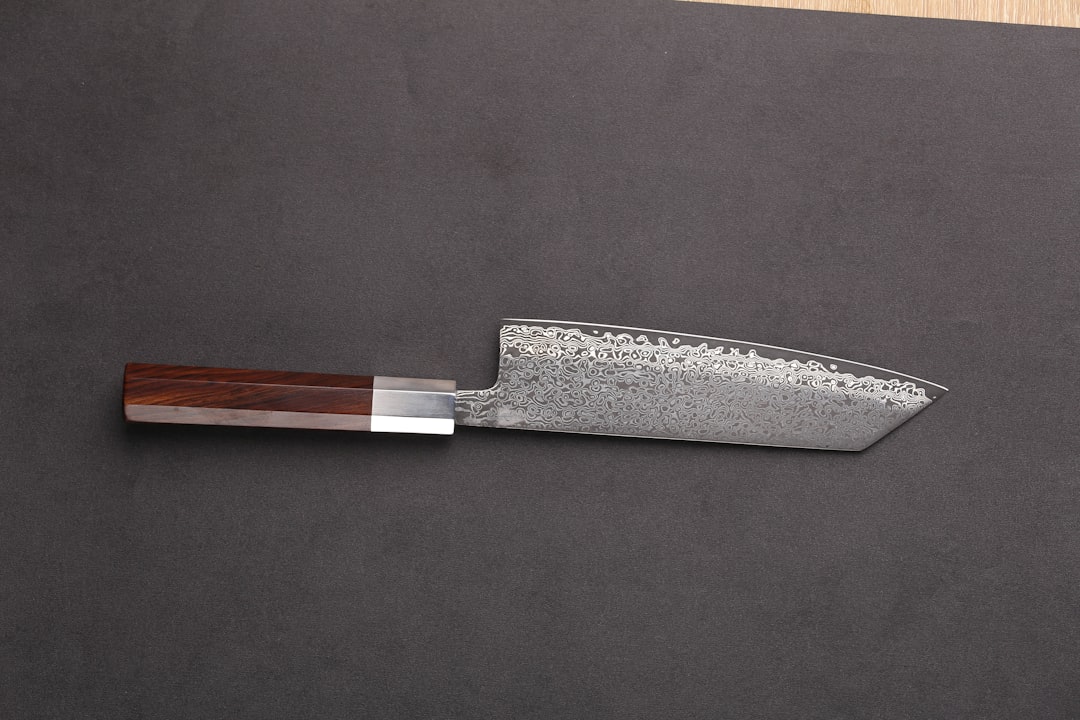
For American outdoor enthusiasts and home cooks alike, Japanese knives such as Shun and Yoshihiro represent the pinnacle of blade craftsmanship. Their razor-sharp edges and impeccable balance elevate any cutting task, whether filleting fish on a camping trip or prepping vegetables for a backyard barbeque. But to keep these knives performing at their best, proper sharpening is essential. Enter the Japanese whetstone—a centuries-old tool that delivers precision edge sharpening unmatched by pull-through sharpeners or electric devices.
Looking for Sharp edges?
In this comprehensive guide, we’ll walk you through the art and science of using Japanese whetstones to sharpen your Shun and Yoshihiro knives. Drawing on experience from Japan’s outdoors and culinary scenes, including insights from precision gear philosophy, this guide will help you achieve a professional-level edge.
Why This Matters
Japanese knives are typically made from harder steel than many Western counterparts, allowing them to hold a finer, sharper edge but also requiring careful maintenance. Using the right whetstones and techniques ensures your blades stay sharp longer, perform better, and avoid damage like chips or uneven edges.
Looking for Sharp longer?
From a camping and outdoor perspective, a sharp knife is a safety tool—less force needed means less chance of slips and accidents. Brands like Snow Peak, headquartered in Niigata, Japan, emphasize quality and durability, values echoed in the care of your knives. Learning to sharpen them properly with Japanese whetstones complements this ethos of craftsmanship and preparedness.
Main Content
Understanding Japanese Whetstones
Japanese whetstones, or Toishi, differ from Western stones in grit, material, and sharpening method. They commonly come in natural or synthetic varieties, with synthetic stones being more accessible and consistent for most users.
Looking for Shun Classic Chef?
- Grit Range: Coarse (200-600 grit) for repairing chips, medium (800-1500 grit) for sharpening, and fine (3000-8000+ grit) for polishing.
- Water Stones: Most Japanese whetstones are water stones, requiring soaking before use to reduce friction and wash away metal filings.
Choosing the Right Stone for Your Knife
For Shun and Yoshihiro knives, which often have a hard VG-MAX or Blue Steel core, a two-stone system is ideal:
- Medium grit (1000-1500): For regular sharpening.
- Fine grit (4000-6000): For polishing and refining the edge.
If your knife has minor chips or is very dull, start with a coarse stone (~400 grit) before moving to medium and fine.
Step-by-Step Sharpening Process
Preparation
- Soak your whetstone in water for 10-15 minutes until no more bubbles appear.
- Place the stone on a non-slip base or damp towel to keep it steady.
- Have a bowl of clean water nearby to wet the stone as needed during sharpening.
Sharpening
- Set the angle: Japanese knives typically sharpen at a 15-degree angle. To estimate, imagine a right angle divided by 6.
- Start with medium grit stone: Holding the knife firmly, place the blade edge against the stone at the set angle.
- Stroke the blade: Using gentle pressure, push the blade forward and across the stone, covering the entire edge length. Then pull it back, maintaining the angle. Repeat about 10-15 strokes on one side.
- Switch sides: Flip the knife and repeat the strokes on the other side.
- Check your progress: Look for a burr (a slight metal ridge) along the edge indicating sharpening is occurring.
- Move to the fine grit stone: Repeat the same process for polishing. Use lighter pressure and more strokes (20-30) for a refined edge.
Finishing Touches
- Strop the blade lightly on a leather strop or the back of a wooden cutting board to remove any remaining burr.
- Rinse and dry your knife immediately to prevent rust.
Maintenance Tips
- Flatten your whetstones regularly with a flat stone or lapping plate to maintain an even surface.
- Store stones in a dry place to avoid mold or cracking.
- Always use water stones with water—not oil—to preserve their surface qualities.
Pro Tips from Japan
Having tested sharpening techniques in Japan’s outdoor environments and kitchens, here are expert tips tailored for American users of Shun and Yoshihiro knives:
Looking for Yoshihiro knives?
- Snow Peak’s Precision Mindset: Approach sharpening as you would gear maintenance on a camping trip—methodical, patient, and with respect for the tool’s design.
- Use a whetstone holder or a damp towel: Stability is crucial outdoors or on uneven surfaces to avoid injury.
- Don’t rush: Japanese whetstone sharpening requires a slow, deliberate process. Rushing can ruin your edge.
- Practice on older blades: Before sharpening your prized Shun, which are crafted by KAI USA in Oregon, or Yoshihiro, practice on less expensive Japanese knives or blades.
- Keep stones moist: Dry stones will cause uneven sharpening and damage the blade.
- Outdoor scenario: If camping with limited water, bring a small container to keep your stone wet, or use a synthetic stone designed for minimal water.
Recommended Products
- King Japanese Whetstone (1000/6000 grit): Trusted synthetic stones, widely available for $40-$60. Excellent for medium and fine sharpening.
- Shapton Glass Stone (1000 grit): A premium, durable option that doesn’t require soaking, ideal for camping use. Around $70.
- Shun Classic Chef’s Knife: If you’re new to Japanese knives, Shun offers great starter blades made in Japan, typically $150-$200.
- Yoshihiro 240mm Gyuto: A professional-grade knife handcrafted in Sakai, Japan, priced around $250-$300.
- Snow Peak Non-Slip Towel: Perfect for stabilizing your sharpening stones during outdoor use, priced about $15.
- Leather Strop: To finish your edge, available for $20-$40.
Conclusion
Mastering Japanese whetstones unlocks the full potential of your Shun and Yoshihiro knives, enhancing both kitchen and outdoor experiences. By selecting the right stones, maintaining proper technique, and adopting a patient, precise approach—much like the ethos behind Japanese camping gear brands such as Snow Peak—you ensure your blades remain sharp, safe, and ready for any task.
Looking for Shun offers great starter blades made?
Sharpening is both an art and a skill, and with these steps and expert tips, you’re well on your way to achieving excellent results. Remember, consistent maintenance is key. Keep your whetstones flat, your blades clean, and your technique steady, and your knives will reward you with years of exceptional performance.
Frequently Asked Questions
Q: Can I use a Japanese whetstone to sharpen my Shun and Yoshihiro knives?
Yes, Japanese whetstones are ideal for sharpening Shun and Yoshihiro knives as they deliver precision edge sharpening that outperforms pull-through sharpeners and electric devices, helping maintain these high-quality blades at their best.
Q: Where can I buy Japanese whetstones on Amazon?
Japanese whetstones are widely available on Amazon, where you can find various grit levels and brands designed specifically for sharpening premium Japanese knives like Shun and Yoshihiro.
Q: Are Japanese whetstones better than electric knife sharpeners?
Japanese whetstones offer superior precision edge sharpening compared to electric sharpeners and pull-through devices, making them the preferred method for maintaining premium knives like Shun and Yoshihiro blades.