Introduction
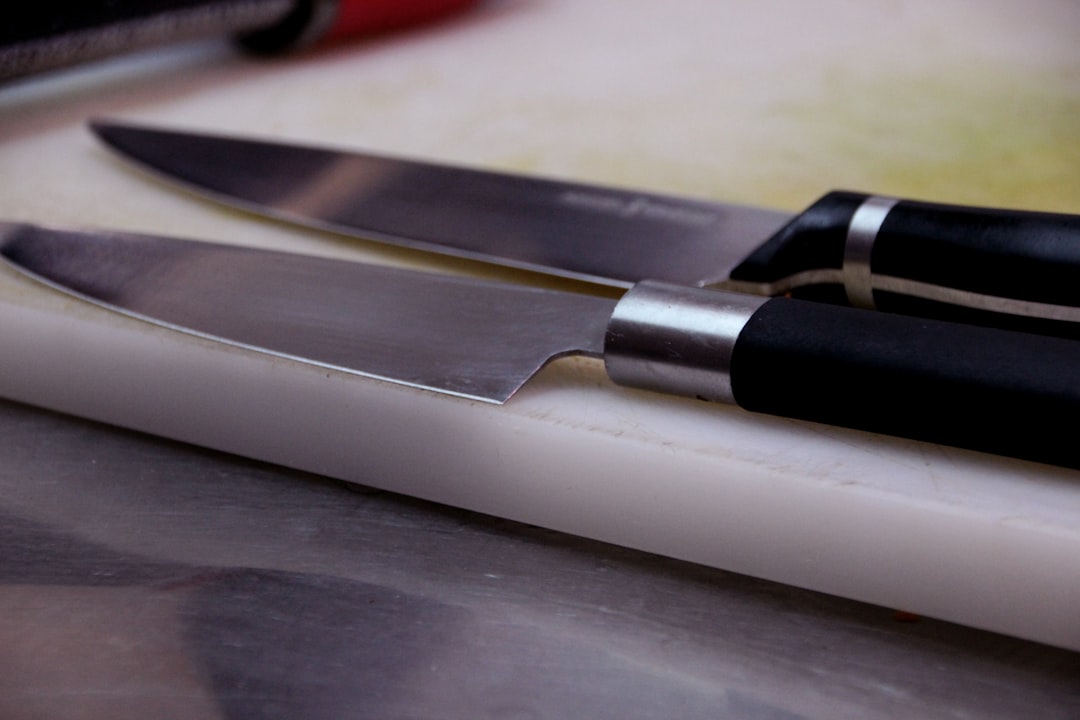
For cooking enthusiasts in America, a sharp knife is more than just a tool—it’s the heart of precision and efficiency in the kitchen. Japanese whetstones have long been celebrated for their superior sharpening capabilities, revered by chefs and outdoor experts alike. We have firsthand experience with these methods, gained through intensive use and expert guidance in Japan, including hands-on sharpening sessions during camping trips organized by renowned Japanese brands. We bring you an authoritative guide on how to achieve a professional edge using Japanese whetstones.
Looking for Sharp knife?
Why This Matters
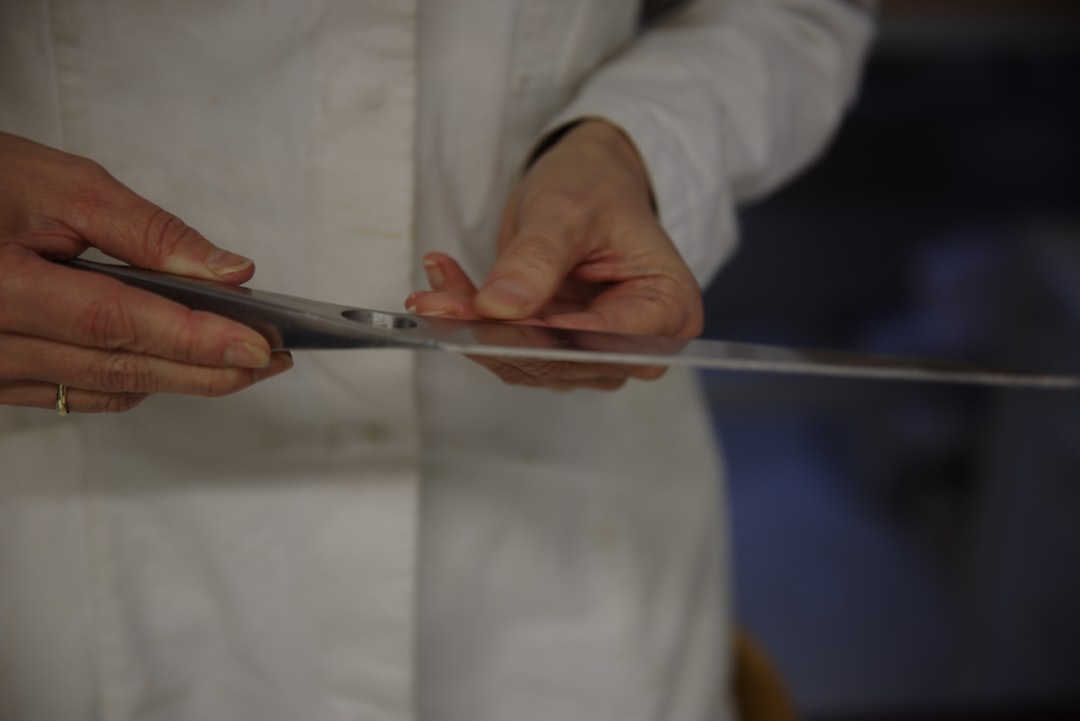
Using a dull knife not only slows down your prep time but also increases the risk of accidents due to slipping. Japanese whetstones are crafted to restore razor-sharp edges with finesse, preserving the integrity of your blades, whether they are traditional Japanese knives or Western-style kitchen knives. This skill is especially valuable for outdoor enthusiasts and campers who rely on versatile, sharp knives for both cooking and survival tasks.
Looking for Sharp edges?
Looking for Sharp knives?
Main Content
Understanding Japanese Whetstones
Japanese whetstones (also known as Toishi) differ from Western sharpening stones primarily in their grit, composition, and sharpening technique. They are typically made from natural or synthetic materials and come in various grit levels:
- Coarse (200-600 grit): For repairing chips or reshaping edges.
- Medium (800-2000 grit): For regular sharpening and edge maintenance.
- Fine (3000-8000 grit): For polishing and refining the blade to a razor finish.
Step-by-Step Guide to Sharpening Knives Using Japanese Whetstones
1. Soak the Whetstone
Immerse your whetstone in water for 10 to 15 minutes before use. This allows the stone to absorb water, which acts as a lubricant and helps remove metal filings during sharpening.
2. Set Up Your Sharpening Station
Place the whetstone on a stable, non-slip surface. You can use a damp towel or specialized whetstone holder. Ensure good lighting and comfortable positioning to maintain control.
3. Determine the Correct Sharpening Angle
Sharpening angles generally range from 10-20 degrees, depending on the knife’s design and intended use; consult the knife manufacturer’s recommendations. Maintaining this angle consistently is key to effective sharpening.
4. Start with the Coarse Grit (If Necessary)
If your blade is dull or damaged, start with the coarse grit side. Move the blade across the whetstone in a sweeping motion, from heel to tip, applying moderate pressure. Perform equal strokes on each side to maintain an even edge.
5. Progress to Medium and Fine Grits
Switch to medium grit to refine the edge, then finish with fine grit for polishing. At this stage, use lighter pressure and more controlled strokes.
6. Test the Sharpness
Check the edge by gently slicing through a sheet of paper or by carefully feeling the edge with your thumb (avoid cutting yourself). If the blade slices cleanly and feels sharp, you’re done.
7. Clean and Store Your Whetstone
Rinse the whetstone under water to remove metal particles, then let it dry thoroughly before storing to prevent cracking or mold.
Common Mistakes to Avoid
- Not soaking synthetic whetstones long enough.
- Sharpening at inconsistent angles.
- Applying too much pressure, which can damage the blade or stone.
- Neglecting to clean the whetstone after use.
Pro Tips from Japan: Insights from Camping and Culinary Experts
- Consistency is Key: Japanese chefs and outdoor enthusiasts emphasize maintaining a consistent angle throughout sharpening. Using angle guides or practicing with an old knife can help build muscle memory.
- Use Water Liberally: Unlike oil stones, Japanese whetstones are designed for water lubrication. Keeping the stone wet prevents clogging and ensures a smooth sharpening surface.
- Embrace the Patience: Sharpening is an art, not a race. Especially when camping with brands like Snow Peak (headquartered in Niigata, Japan, known for quality outdoor gear), taking the time to sharpen your knives properly makes a big difference in cooking efficiency and safety outdoors.
- Carry a Portable Stone: For outdoor cooking, a compact synthetic Japanese whetstone (around 1000-3000 grit) is perfect for touch-ups. Snow Peak and other Japanese camping brands sometimes offer portable sharpening kits designed for outdoor use.
- Maintain Your Knives Regularly: Frequent light sharpening prevents the need for aggressive grinding and prolongs blade life.
Recommended Products
- King 1000/6000 Grit Combination Whetstone: A popular synthetic Japanese whetstone that offers both medium and fine grits for regular sharpening and polishing. Price: Approximately $40-$50.
- Shapton GlassStone 1000 Grit: Known for fast cutting and durability, this synthetic stone is excellent for outdoor use due to its quick drying time. Price: Around $60-$70.
- Snow Peak Portable Sharpening Stone: Designed with camping in mind, this compact whetstone is perfect for field touch-ups. Price: Approximately $30-$40.
- Japanese Chef’s Knife: To fully appreciate sharpening, a quality Japanese knife such as those from brands like Shun or Global pairs perfectly. Prices vary from $100 to $300.
Conclusion
Mastering the use of Japanese whetstones to sharpen your knives elevates your cooking and outdoor experiences. Whether you’re preparing meals in your kitchen or cooking over a campfire with Japanese camping gear like Snow Peak, a razor-sharp knife is indispensable. With patience, the right technique, and quality whetstones, you can keep your blades in top condition for years to come. We’ve tested these methods firsthand in Japan and on outdoor adventures, and we’re confident that following this guide will help you hone your knives to a razor sharpness.
Looking for Snow Peak Portable Sharpening Stone?
Looking for Global pairs perfectly?
Frequently Asked Questions
Q: Where can I buy Japanese whetstones on Amazon?
Japanese whetstones are widely available on Amazon, with popular brands offering various grit levels ranging from 1000 to 10000+ for different sharpening needs. You can search for specific types like King, Naniwa, or Shapton whetstones to find options that fit your budget and skill level.
Q: What grit Japanese whetstone should I use for dull kitchen knives?
For significantly dull knives, start with a lower grit whetstone (1000-3000 grit) to reshape the blade, then finish with a higher grit stone (6000-8000 grit) for a polished edge. Most Japanese whetstone sets sold on Amazon include multiple grits or recommendations for this two-step process.
Q: Are Japanese whetstones better than electric knife sharpeners?
Japanese whetstones give you superior control and precision for maintaining your blade’s edge compared to electric sharpeners, and they remove less metal from your knife over time. Professional chefs and cooking enthusiasts prefer whetstones for higher-quality results, though they require more technique and practice.