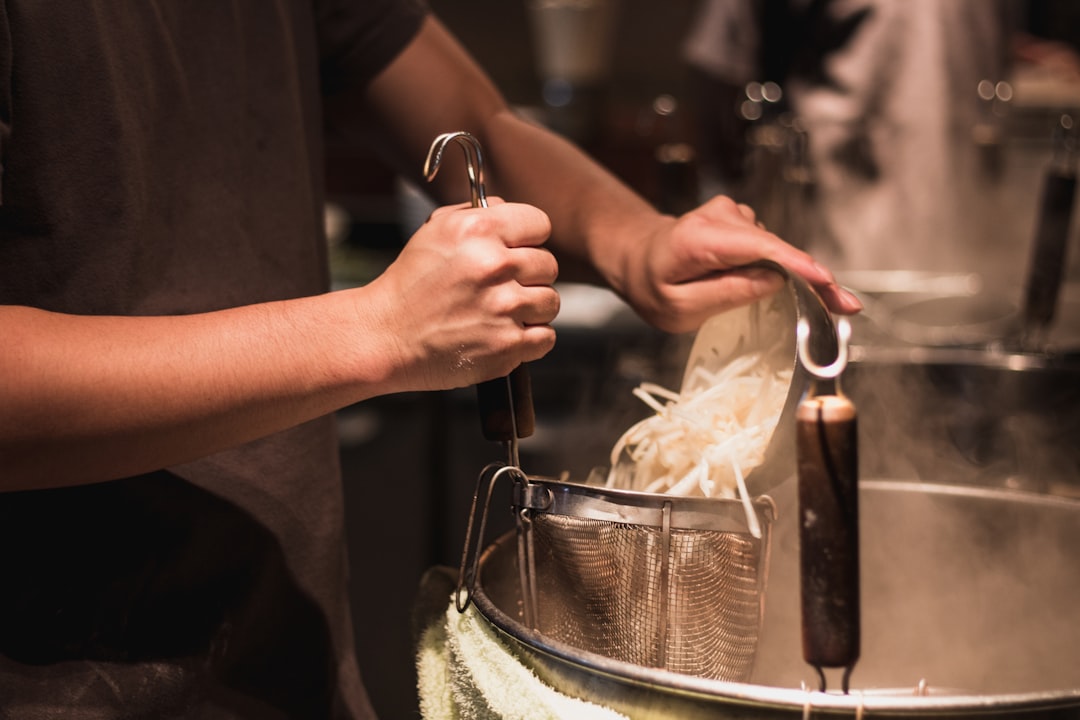
10 Essential Japanese Kitchen Tools Every American Home Cook Should Own
When it comes to cooking, the tools you use can make all the difference. Japanese kitchen tools are renowned for their precision, craftsmanship, and design, making them a favorite among chefs and home cooks alike. This list aims to highlight ten must-have Japanese tools that can elevate your cooking experience. Our criteria for selection include functionality, quality, and how these tools enhance the cooking process. Whether you’re preparing traditional Japanese dishes or incorporating these tools into your everyday cooking, they promise to bring efficiency and joy to your kitchen.
1. Santoku Knife
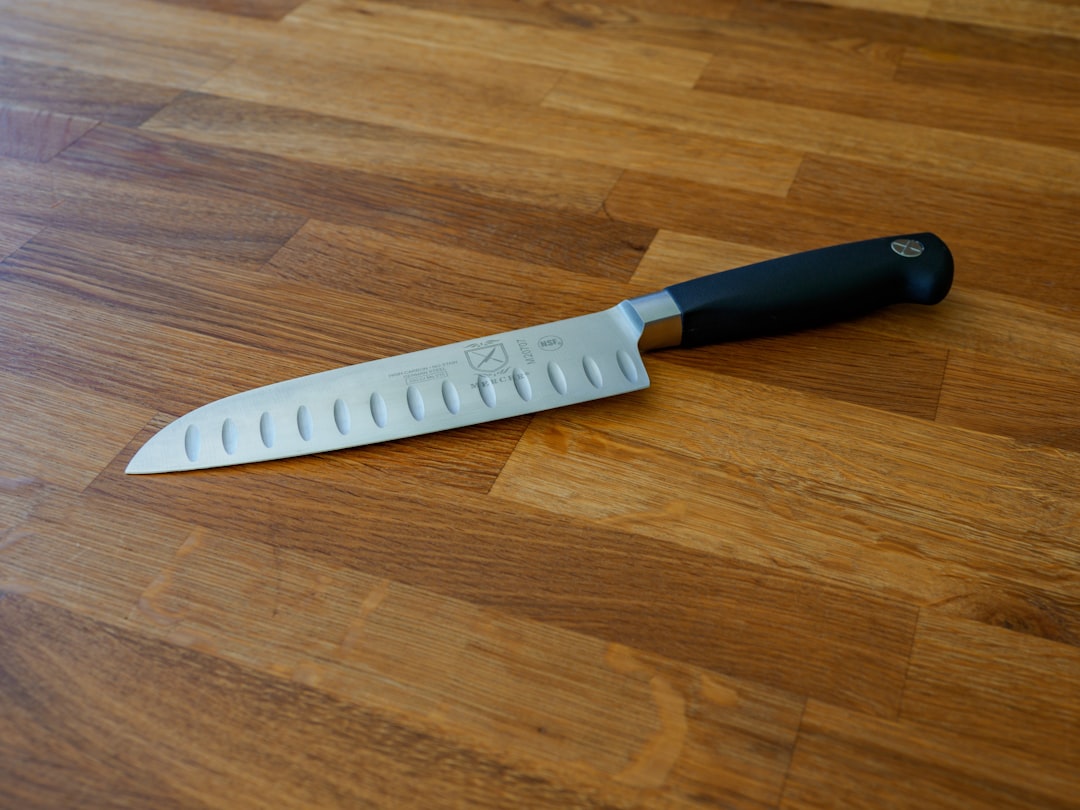
The Santoku knife is a versatile kitchen essential that excels in slicing, dicing, and chopping. Originating from Japan, this knife features a shorter blade than a traditional chef’s knife, usually measuring around 5 to 7 inches, making it easier to control for various tasks. The blade’s design often includes a granton edge, which prevents food from sticking during use. Renowned brands like Shun and Global offer high-quality options, with prices ranging from $70 to $250. Investing in a Santoku knife can significantly improve your cooking speed and precision.
Looking for Global offer high-quality options?
2. Japanese Rice Cooker
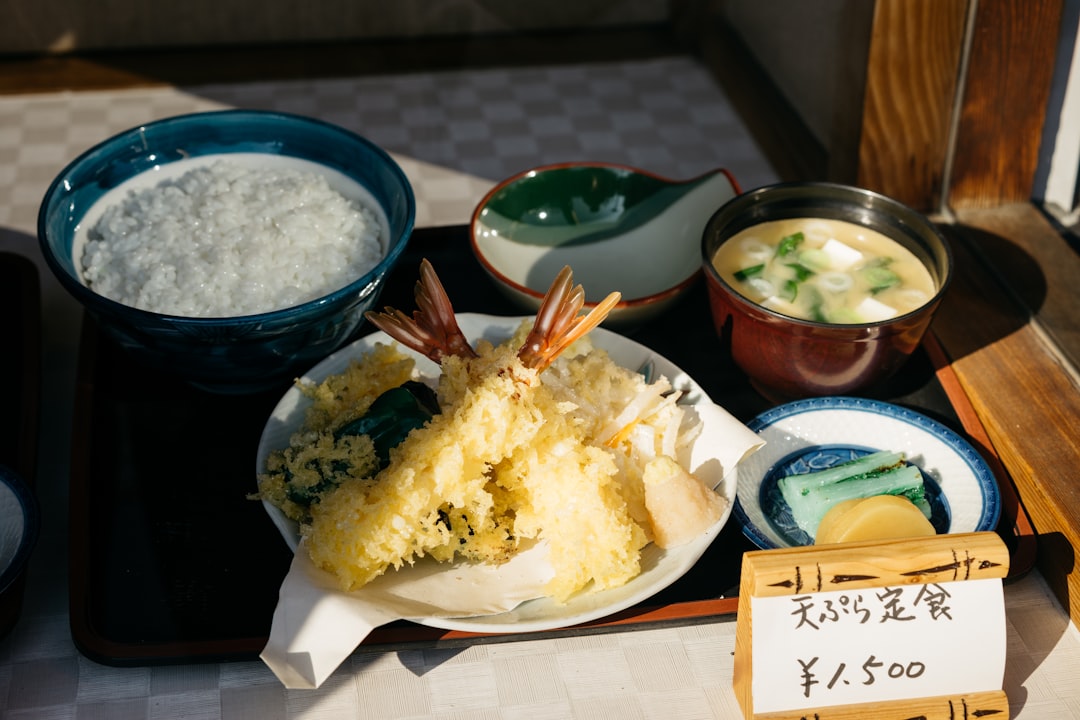
For perfect rice every time, a Japanese rice cooker is indispensable. Brands like Zojirushi and Tiger have perfected the art of rice cooking, offering features such as fuzzy logic technology, which adjusts cooking times and temperatures for optimal texture. Expect to pay between $150 and $300 for a reliable model. A good rice cooker not only cooks rice but can also steam vegetables, make porridge, and even bake cakes, making it a versatile tool in any kitchen.
3. Takoyaki Maker
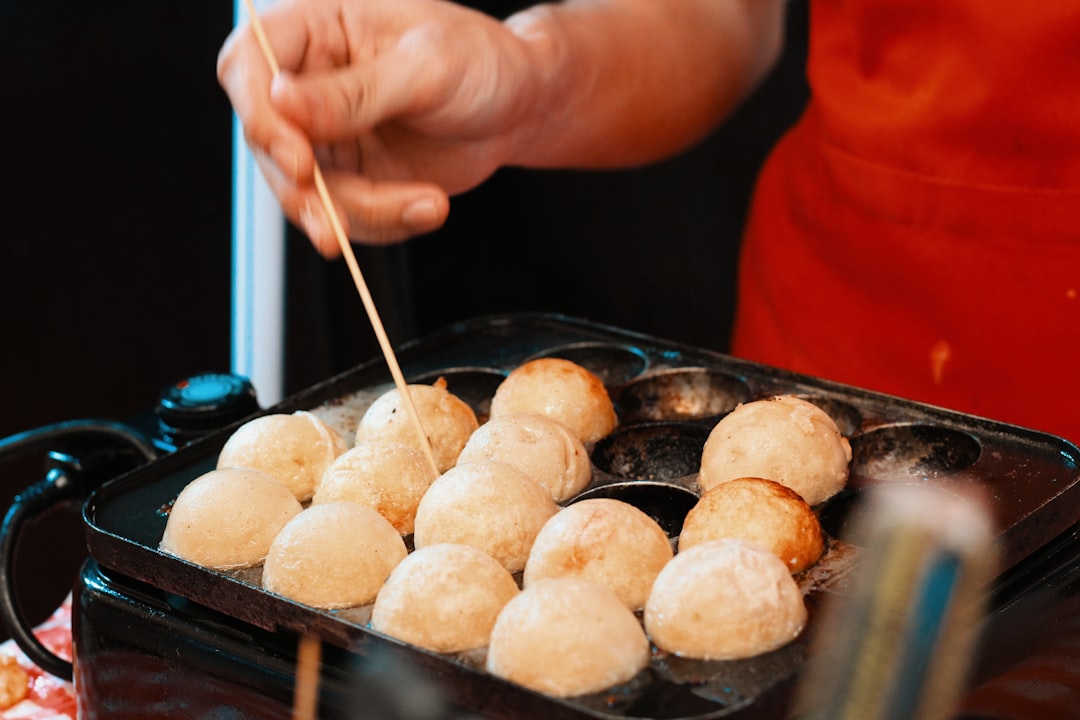
If you’re looking to add some fun to your cooking, a Takoyaki maker is a must-have. This tool is designed to make Takoyaki, a popular Japanese street food consisting of octopus balls. Available in both electric and stovetop models, a Takoyaki maker typically costs between $30 and $100. The unique design features round molds that allow for even cooking and crispiness. It’s a great way to impress guests at your next gathering while introducing them to a beloved Japanese dish.
4. Miso Soup Bowl
A traditional miso soup bowl (or Chawan) is not just aesthetically pleasing but functional as well. These bowls are often crafted from high-quality ceramics or lacquer and designed to retain heat, making them perfect for serving hot soups. Prices range from $15 to $50 depending on the craftsmanship and material. Using a dedicated miso soup bowl enhances the dining experience, allowing you to enjoy your meal in an authentic way.
5. Japanese Mandoline Slicer
A Japanese mandoline slicer is an essential tool for chefs who appreciate precision and uniformity in their cuts. Unlike many Western models, Japanese mandolines are often more compact and can achieve thinner slices, perfect for vegetables, fruits, and even cheese. Brands like Benriner offer models that range in price from $30 to $75. Investing in a quality mandoline can save time on prep work while ensuring your ingredients are cut to perfection.
6. Noren Curtains
While not a kitchen tool in the traditional sense, Noren curtains serve a unique purpose in Japanese kitchens. These fabric dividers hang at doorways and serve to separate spaces while allowing air and light to flow through. Prices generally range from $20 to $50. Noren add a touch of Japanese aesthetics to your kitchen and can help maintain privacy while cooking, creating a cozy atmosphere for meal preparation.
7. Sushi Rolling Mat
If you enjoy making sushi at home, a sushi rolling mat is an essential tool. Traditionally made from bamboo, these mats help you achieve the perfect roll. Prices typically range from $10 to $30. A rolling mat allows for even pressure and ensures that your sushi rolls are tight and well-formed, whether you’re a beginner or a seasoned pro. Making sushi at home can be a fun experience, especially when you have the right tools.
8. Yakan (Japanese Hot Pot)
A Yakan or Japanese hot pot is perfect for winter gatherings or cozy family dinners. This pot is typically shallow and wide, designed for simmering a variety of ingredients together. Prices range from $50 to $150 depending on the material and brand. Using a Yakan promotes communal dining, where everyone can contribute to the meal, making it a delightful experience to share with family and friends.
9. Tetsubin (Japanese Cast Iron Teapot)
For tea enthusiasts, a Tetsubin is an essential kitchen tool that doubles as a beautiful decorative piece. These cast iron teapots are traditionally used for steeping green tea and are celebrated for their ability to retain heat. Prices typically range from $50 to $200. A Tetsubin not only elevates your tea-drinking experience but also adds an element of Japanese culture to your kitchen, making it a conversation starter.
10. Shichirin (Japanese Charcoal Grill)
For those who love grilling, a Shichirin is a small charcoal grill that embodies traditional Japanese cooking methods. It’s perfect for grilling meats and vegetables over charcoal, imparting a unique smoky flavor. Prices range from $50 to $150 depending on size and materials. Using a Shichirin allows you to experience the authentic taste of Japanese grilled dishes right in your backyard, making it a fantastic addition for outdoor cooking enthusiasts.
Honorable Mentions
- Shaku (Japanese Measuring Spoon) – A precise tool for measuring small quantities, usually priced between $10 and $20.
- Oroshi (Grater) – Ideal for grating ginger, daikon, and garlic, priced around $15 to $30.
- Donabe (Clay Pot) – A versatile cooking pot for stews and rice, typically costing between $50 and $100.
How to Choose
When choosing Japanese kitchen tools, consider the following factors:
- Functionality: Ensure the tool serves a purpose in your cooking style.
- Material Quality: Look for tools made from durable materials, as they often last longer and perform better.
- Brand Reputation: Opt for established Japanese brands known for their craftsmanship to ensure you’re getting a reliable product.
- Price vs. Value: While it’s tempting to go for cheaper options, investing in higher-quality tools can save you money in the long run.
Conclusion
Incorporating Japanese kitchen tools into your cooking repertoire can greatly enhance your culinary experience. From precision knives to beautiful teapots, these tools not only offer functionality but also bring a touch of Japanese culture to your kitchen. Whether you’re an experienced chef or a home cook, these essential tools can inspire creativity and elevate your dishes. Happy cooking!